In a groundbreaking development for both the agricultural industry and the broader right-to-repair movement, John Deere has agreed to pay an impressive $99 million to resolve a class action lawsuit that has long captured the attention of farmers and consumer rights advocates. This decision, emerging after years of tension surrounding the company’s strict limitations on tractor and equipment repair, represents far more than a simple financial settlement — it is, in essence, a paradigm shift toward accessibility, autonomy, and fairness in how agricultural machinery can be maintained.
Farmers, often the backbone of rural economies and the stewards of vast tracts of productive land, have historically faced significant barriers when attempting to repair the machinery that supports their livelihood. In practical terms, these barriers meant that when a tractor malfunctioned, even for routine mechanical or software issues, owners were often forced to rely exclusively on John Deere’s authorized technicians, sometimes waiting for days and paying exorbitant fees. This lack of repair freedom stifled innovation on farms, limited efficiency during crucial planting and harvesting periods, and cultivated frustration among independent mechanics who were shut out of the repair ecosystem.
With this settlement, John Deere is not merely compensating farmers financially but also making important commitments to significantly expand access to essential repair materials. This includes providing manuals, diagnostic software, specialized tools, and other digital resources needed to identify and fix equipment issues. Such a measure, while practical in immediate scope, carries symbolic weight because it recognizes the fundamental right of ownership — the idea that individuals who purchase machinery should have both the freedom and the capability to maintain and modify it without unnecessary corporate constraints.
The implications extend well beyond agricultural fields. Advocates for the #RightToRepair movement, a growing coalition of consumers, environmentalists, and technologists, see this as a precedent that could reverberate into other industries such as electronics, automotive manufacturing, and renewable energy. Much like farmers have fought to regain control over their tractors’ software, consumers around the world are pressing for similar rights — to repair their smartphones, computers, and other devices freely. John Deere’s $99 million agreement is thus being perceived not merely as one company’s concession but as a tangible victory in a much larger conversation about sustainability, innovation, and consumer empowerment.
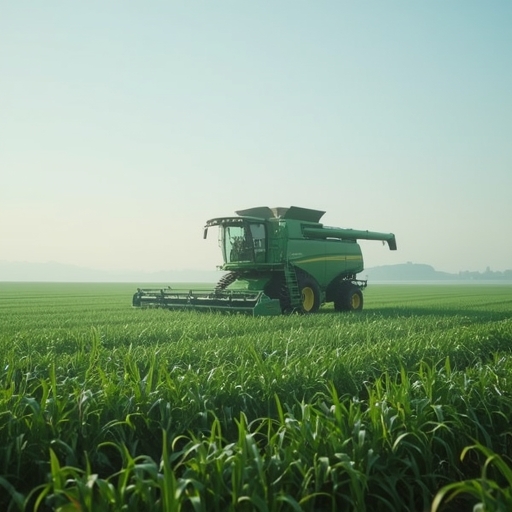
For the farming community, this outcome also has deeply human dimensions. In rural areas where technical assistance is scarce, the ability to independently repair a malfunctioning combine or irrigation system can mean the difference between a harvest saved and a season lost. By loosening the digital locks that have long restricted these capabilities, John Deere’s new approach could spark a renaissance of practical knowledge, revive local repair shops, and foster a renewed sense of self-reliance that has always defined the farming spirit.
Ultimately, this settlement serves as a reminder that technological advancement must coexist with human agency. While modern agricultural machinery has become increasingly sophisticated — integrating artificial intelligence, data analytics, and automation — the essence of farming remains rooted in hands-on stewardship and problem-solving. John Deere’s decision to open repair access, catalyzed by legal and social pressure, is a long-awaited acknowledgment of that balance. It sets the stage for a more equitable and transparent future in which innovation empowers rather than imprisons those who depend on it.
In summary, this $99 million resolution stands as both compensation and commitment: compensation for those deprived of fair repair opportunities and commitment to a new era of equitable access. As tractors roll through freshly tilled fields under wide open skies, farmers can now look forward not just to another growing season, but to one in which their independence and ingenuity are once again central to the story of modern agriculture.
Sourse: https://www.theverge.com/policy/909524/john-deere-class-action-settlement-farmers