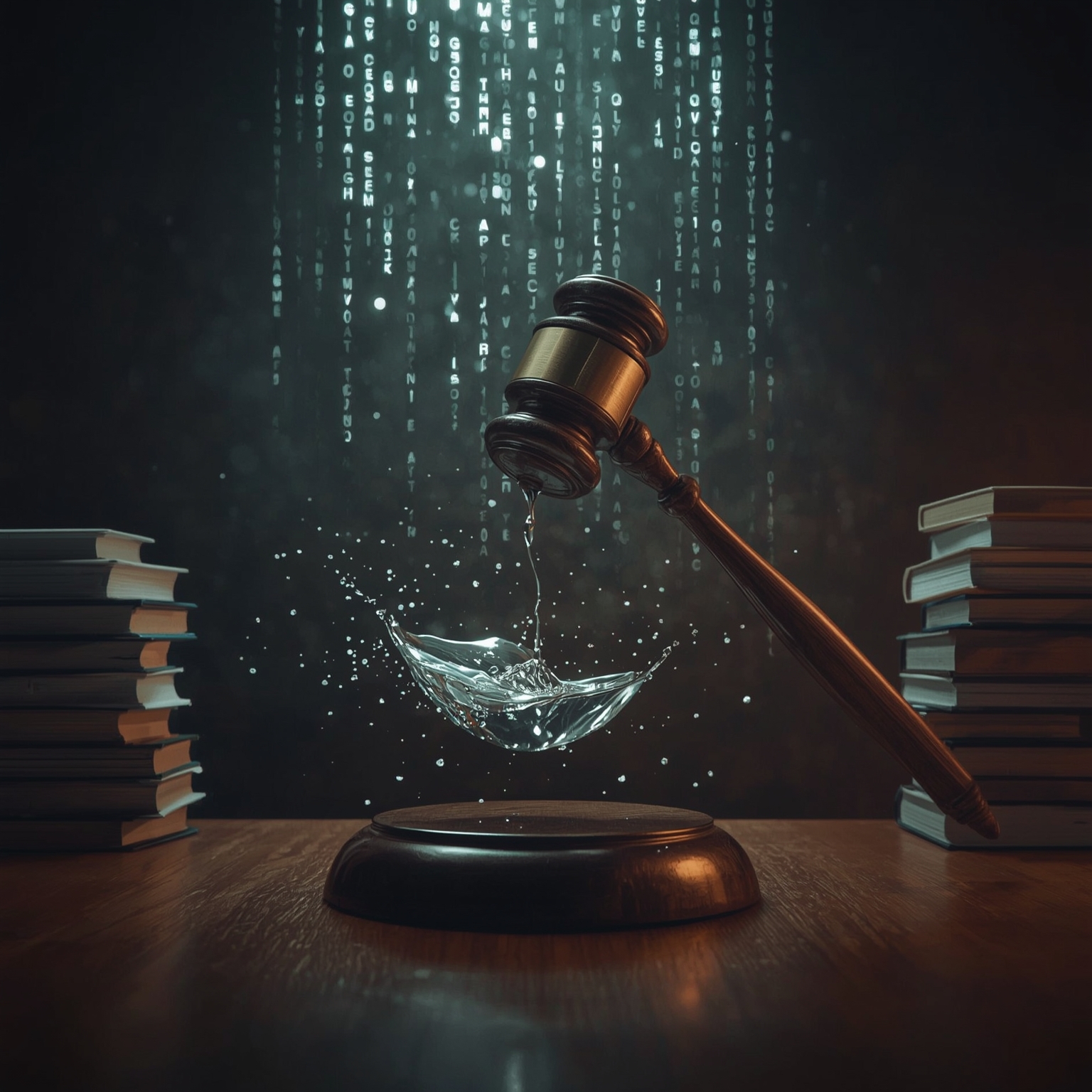
The highly anticipated $1.5 billion settlement between Anthropic and a group of American authors has been temporarily halted, following significant concerns raised by U.S. District Judge William Alsup, the jurist presiding over the case. The suspension underscores the immense complexity of balancing legal settlements, the collective interests of creative professionals, and the evolving challenges posed by artificial intelligence to traditional copyright protections.
During a recent hearing, Judge Alsup firmly rejected the settlement proposal, highlighting his apprehension that the class action attorneys representing the authors could potentially craft an agreement behind closed doors in a manner that would ultimately be imposed upon writers without their genuine consent. Reports from *Bloomberg Law* and the *Associated Press* confirmed that Alsup warned of a risk that the arrangement could be figuratively forced, in his words, “down the throats of authors,” leaving them with little power to challenge the outcome or negotiate alternative terms.
Anthropic, a prominent AI company, had agreed just the week prior to the landmark financial settlement. Their intent was to resolve a wide‑reaching class action lawsuit brought forth by numerous U.S. authors who accused the firm of misappropriating their intellectual property. Specifically, the complaints alleged that Anthropic had used hundreds of thousands of copyrighted books to train its cutting‑edge language models without proper authorization. In an earlier ruling, Judge Alsup found partial merit in Anthropic’s defenses: he concluded that training AI on lawfully purchased books could potentially fall within the doctrine of fair use. However, he simultaneously determined that the company could still face liability for incorporating works that had been illegally downloaded, thus leaving the case open for further litigation.
Beyond his fundamental concern about the power imbalance between authors and attorneys during the settlement process, Judge Alsup insisted on receiving far greater clarity regarding how claims from class members would be reviewed and compensated. Expressing visible skepticism, he cautioned that the availability of such an enormous sum of money could easily attract parties attempting to exploit the claims process. As cited by *Bloomberg Law*, he admitted to harboring “an uneasy feeling about hangers‑on with all this money on the table,” signaling his unwillingness to approve the agreement without detailed safeguards.
The terms of the suspended settlement outlined that individual authors and publishers whose works were involved would be awarded approximately $3,000 per book. According to reporting from the *Associated Press*, an attorney representing the authors explained that roughly 465,000 distinct works would qualify for such payments. Judge Alsup, however, pressed for a precise and verifiable figure to confirm that the settlement encompasses the complete universe of potentially affected titles. His stated rationale was to prevent Anthropic from facing additional lawsuits later that might arise “out of the woodwork.” Furthermore, he emphasized that all class members must receive “very good notice” of the proceedings and of their rights, ensuring that no writer inadvertently forfeits compensation due to lack of awareness.
Maria Pallante, the Chief Executive Officer of the Association of American Publishers and a strong advocate for the plaintiffs, criticized Judge Alsup’s interpretation of the industry’s practices. In comments to the *Associated Press*, she contended that the judge displayed a fundamental misunderstanding of how publishing operates, particularly with respect to class action settlements. Pallante stressed that class actions are designed to resolve longstanding disputes in a comprehensive manner, not to spark new conflicts among the very creators who were initially harmed by copyright infringement.
Justin Nelson, counsel for the group of authors, echoed this sentiment in a statement issued to *Bloomberg Law*. He affirmed that the legal team remains deeply committed to ensuring that every rightful claimant receives fair compensation. According to Nelson, the overarching goal of the settlement has always been to provide tangible restitution for the widespread use of authors’ works, not to further complicate or delay justice.
Judge Alsup has scheduled an additional hearing for September 25th, during which he will revisit the proposed settlement terms. His remarks at the prior hearing suggested he remains skeptical but open to persuasion. As reported by the *Associated Press*, he remarked somewhat wryly, “We’ll see if I can hold my nose and approve it.” This comment reflected both his reluctance and his recognition that the case sits at the intersection of enormous financial stakes, critical legal precedents, and the rapidly escalating debate over how artificial intelligence should interact with intellectual property rights.
The outcome of this case could carry far‑reaching implications, not only for the future relationship between AI developers and the publishing industry but also for the broader legal frameworks that will determine how technology companies utilize creative works in the digital age.
Sourse: https://www.theverge.com/news/775230/anthropic-piracy-class-action-lawsuit-settlement-rejected