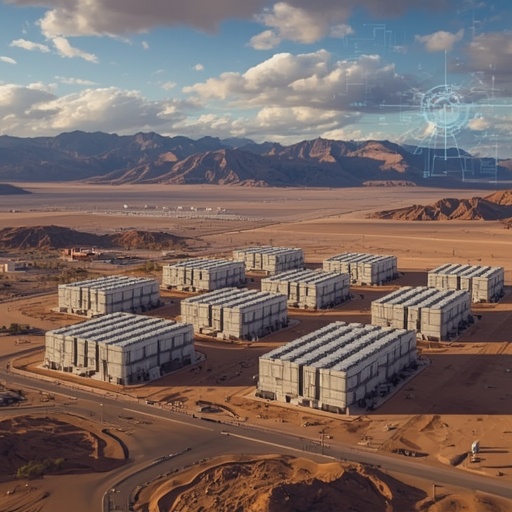
Kevin O’Leary’s ambitious proposal for a 40,000‑acre artificial intelligence campus in the scenic landscape of Box Elder County, Utah, has evolved into far more than a routine technological development—it has become a microcosm of the national debate over how innovation interacts with local identity, resources, and governance. The planned site, envisioned as a sprawling data center network designed to power the next generation of AI‑driven enterprises, represents both promise and provocation. Supporters describe it as a once‑in‑a‑generation opportunity to invigorate the regional economy, generate long‑term employment, and attract new investment to an area traditionally defined by its agricultural and logistical infrastructure. They emphasize that such a facility could transform Utah into a competitive nucleus for high‑tech operations, stimulating education partnerships and spurring secondary industries in energy, construction, and digital services.
Yet, despite the project’s allure, concerns among local residents and environmental advocates reveal a more nuanced portrait of progress. Critics point to potential strains on water resources, possible ecological disruption, and the social consequences of rapid growth in a rural county unaccustomed to such scale. Many community members worry that the cultural fabric and quality of life they cherish could be overshadowed by industrial expansion, rising real‑estate pressures, and increased traffic or noise. These apprehensions do not necessarily reject technological advancement but rather question the pace and inclusivity of its implementation. For them, innovation should evolve through transparent collaboration between developers, citizens, and policymakers, ensuring that prosperity does not come at the expense of heritage or sustainability.
At the heart of this conversation lies a broader philosophical tension: can modern communities harness the power of artificial intelligence while preserving the authenticity of local life? O’Leary’s venture underscores an urgent need for dialogue between corporate ambition and civic stewardship. Thoughtful planning—supported by environmental assessments, workforce training initiatives, and accountable resource management—could enable Utah to lead by example, demonstrating how economic growth can coexist with environmental integrity and community trust. Ultimately, this debate reaches beyond one data center: it epitomizes the challenge facing societies everywhere as they strive to reconcile technological acceleration with the human values that give progress its meaning.
Sourse: https://www.businessinsider.com/kevin-oleary-utah-data-center-stratos-opposition-water-electricity-jobs-2026-5


