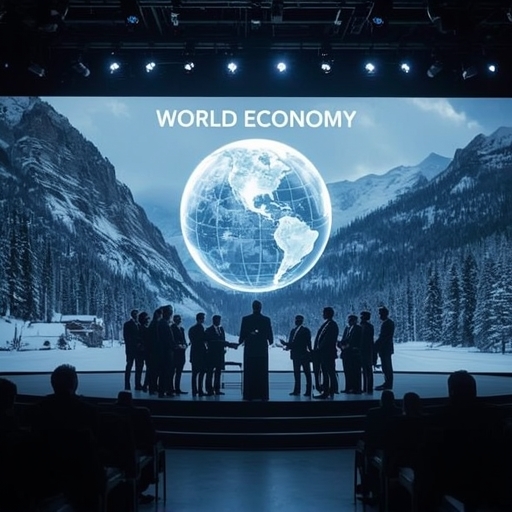
The Davos 2026 address represented far more than a standard diplomatic presentation — it was a vivid articulation of the intensifying realignments currently reshaping the international order. Delivered against the dramatic alpine backdrop that has become synonymous with the World Economic Forum, the speech delved deeply into the intersecting concerns of energy sustainability, geopolitical cooperation, and the evolving mechanics of global power.
At its core, the address underscored both the opportunities and the tensions that come with the world’s accelerating transition toward renewable energy. While advocates of decarbonization hailed the promise of innovation and long-term environmental stability, others cautioned against the economic dislocation that may accompany the rapid abandonment of fossil fuels. The orator navigated these competing imperatives with diplomatic precision, emphasizing the necessity of balancing environmental urgency with economic inclusivity. Through examples of cross-border innovation projects and energy-sharing frameworks, the address invited world leaders to view sustainability not as a constraint but as a unifying mission capable of stimulating equitable growth.
Equally pivotal were the remarks concerning shifting geopolitical alliances. The discussion of NATO’s adaptive strategies — framed around both defense cooperation and humanitarian engagement — reflected a renewed awareness of how collective security must evolve within an increasingly multipolar world. By referencing emerging partnerships across continents, the speech implied that influence is no longer concentrated in a single hemisphere. Rather, it is diffusing across a constellation of nations that seek collaborative approaches to technology, defense, and trade. This recognition of shared leadership, rather than dominance, set a markedly different tone: one advocating equilibrium instead of rivalry.
The conversation around ‘power dynamics’ extended beyond institutions to include the ideological redefinition of what influence itself means in the twenty‑first century. The address echoed a belief that sustainable authority now derives as much from moral legitimacy and environmental foresight as from military or economic scale. In a subtle yet deliberate shift, the speaker called for decision‑makers to consider global welfare as a strategic priority, urging cooperation on issues that transcend geographic and political boundaries — from climate migration to digital access.
In this sense, the Davos 2026 address may well be remembered as a call to collective maturity. It articulated that the measure of leadership in the coming decade will lie not merely in national advancement, but in a shared ability to safeguard the planet’s long‑term habitability while maintaining social justice. The resonance of these ideas was palpable among policymakers, economists, and corporate leaders alike, many of whom interpreted the message as both a challenge and an invitation — a challenge to act with unprecedented coordination, and an invitation to envision progress as a global endeavor rather than a competitive race.
Ultimately, the speech transformed the typically rarefied forum of Davos into a space for urgent reflection about humanity’s direction. By intertwining pragmatic governance with aspirational vision, it captured the moment when global discourse began shifting from reaction to redesign. Whether the attendees depart the summit as mere spectators or as co‑architects of a more cooperative order remains to be seen, but the Davos 2026 address has undeniably reignited the conversation on how nations and industries will navigate the intertwined destinies of power, prosperity, and the planet’s survival.
Sourse: https://www.businessinsider.com/the-biggest-moments-from-trumps-davos-2026-address-2026-1