Lawmakers in the United States have intensified calls for both Apple and Google to take immediate steps against a recently developed artificial intelligence chatbot affiliated with X, the platform formerly known as Twitter. This AI tool, reportedly capable of producing non‑consensual and sexually suggestive altered images of women, has sparked national outrage and renewed debate about the ethical limitations of emerging technologies. The senators’ demands focus on the moral and civic responsibilities of major technology gatekeepers—specifically, their obligation to ensure that applications available on their app stores adhere to strict principles of digital safety, consent, and privacy protection.
The controversy surrounding this so‑called “undressing bot” underscores an escalating concern about the real‑world implications of generative AI systems. While such technologies are often praised for their creative and commercial potential, they also possess the capacity to inflict severe harm when misused—particularly by violating individuals’ autonomy and generating explicit or manipulated imagery without authorization. In this context, lawmakers argue that Apple and Google, as primary distributors of mobile software, hold an essential position in shaping the ethical landscape of digital innovation. Removing or restricting access to harmful AI tools is being framed not as censorship but as a necessary act of corporate accountability.
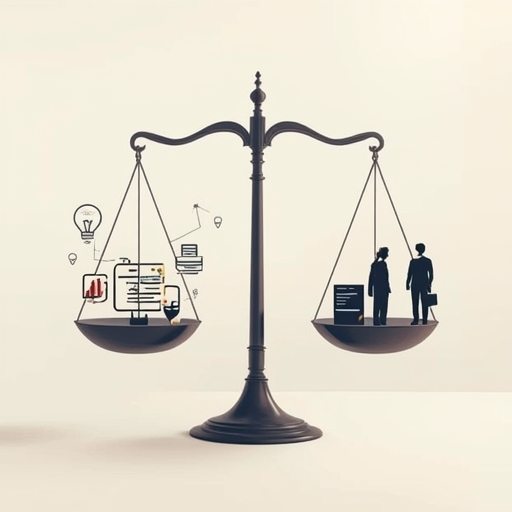
Beyond its immediate scandal, the incident represents a watershed moment in the conversation about artificial intelligence ethics and governance. It raises profound questions about how transparency, consent, and oversight can be implemented in an era where machine learning models can replicate, manipulate, and distribute human likenesses in seconds. For developers and brands alike, this case serves as a forceful reminder that technological advancement must be accompanied by empathy, social awareness, and self‑regulation. Only by embedding ethical considerations into product design—from data collection and algorithmic training to user deployment—can trust in the digital ecosystem be preserved. In essence, the demand for action against X’s bot is as much about curbing one harmful application as it is about setting an enduring precedent for how humanity will coexist responsibly with intelligent machines in the years ahead.
Sourse: https://www.theverge.com/news/859631/democrats-x-grok-apple-google-app-store