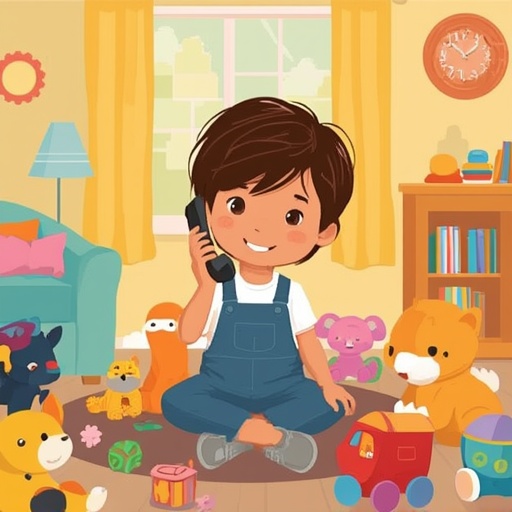
Before I became a parent, I often heard that raising independent children begins with small acts of trust. Yet, it wasn’t until recently that I truly understood what that meant in practice. The lesson came unexpectedly, one ordinary afternoon, when I realized my eight‑year‑old was capable of far more responsibility than I had ever given him credit for.
It started with something simple: playdates. Usually, I would coordinate them myself—contacting parents, checking calendars, confirming times, and ensuring everyone was comfortable. But one day, after a particularly busy week, I decided to let my son handle it on his own. I handed him the cordless phone and told him that if he wanted to see a friend over the weekend, he could call and make the arrangements himself.
At first, he looked uncertain, the way any child might when faced with a new task that feels momentous. He hesitated, rehearsing what to say, and asked a few clarifying questions. Who should he call first? What if his friend wasn’t home? What if he didn’t know what to say to the parent who answered? I guided him through the basics: introduce yourself politely, explain why you’re calling, and listen carefully to the response. Then I stepped back.
Watching him dial that number, I felt a mix of pride and apprehension. Would he stumble over his words? Would the other parent think I was shirking responsibility? To my surprise, he handled the call with composure and initiative. His small voice grew steadier as he spoke, and within a few minutes, he had arranged the entire playdate—time, place, and even the activity. When he hung up, he beamed, radiating a quiet self‑assurance that words can’t adequately capture.
That moment was more than a milestone in childhood; it was a revelation about parenting. By relinquishing control, even briefly, I gave my child space to step into his own competence. Allowing him to manage that tiny piece of his social world taught him essential life skills—confidence, communication, and empathy. It reminded me that independence isn’t something we simply teach with words; it is something children cultivate through opportunities to act, decide, and occasionally make small mistakes.
Since then, we’ve made this a tradition. Whenever my son wants to organize a playdate, I encourage him to take the lead. Each conversation becomes a lesson not only in etiquette but in negotiation, patience, and respect. He’s learning to schedule around others, to consider their preferences, and to handle both acceptance and rejection gracefully. These are the same skills that will one day empower him to succeed far beyond playground friendships.
As parents, it can be tempting to manage every detail to make life smooth for our children. But growth often happens in those moments when we allow a bit of uncertainty—when we trust their emerging abilities. Sometimes independence doesn’t come from grand actions but from the small, everyday choices we let them make. Handing my eight‑year‑old the phone changed the way I view autonomy and, perhaps more importantly, the way I view my role as a parent. True guidance isn’t about controlling the outcome; it’s about creating the conditions in which confidence can take root and thrive.
Sourse: https://www.businessinsider.com/kid-calls-friends-playdates-independence-parenting-2026-5