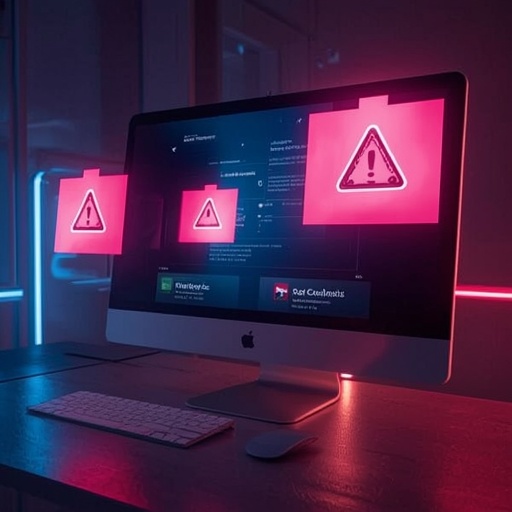
Recent revelations about LG’s newest lineup of computer monitors have caused a remarkable wave of concern within the technology and cybersecurity communities. These monitors, when connected to computers operating on Windows 11, have been observed to quietly initiate a behind-the-scenes process through Windows Update — a feature generally trusted to deliver legitimate drivers and essential patches. Without explicit user consent or even noticeable notification, this mechanism installs not only LG’s own driver package but also an accompanying monitor application that, to the surprise of many, begins generating McAfee pop-up advertisements directly on the user’s desktop environment.
The development is particularly noteworthy because Windows Update has long been regarded as a secure and transparent channel for maintaining device compatibility and stability. However, the inclusion of nonessential third-party promotional software under the guise of a driver update challenges that perception and raises serious questions about digital consent, data autonomy, and manufacturer accountability. End users typically expect their operating system updates to enhance performance or ensure hardware functionality, not to introduce marketing content or security trialware without clear permission.
Reports from affected users describe the experience as jarring: following what seemed like a routine update, McAfee promotional notifications began emerging unprompted, implying that the security software had been silently installed or integrated into the system. While LG has not publicly confirmed intentional ad deployment, the situation underscores a deeper structural issue — the increasingly opaque relationship between hardware producers, software vendors, and operating system distributors. Such interconnected ecosystems can blur traditional boundaries of user authorization, enabling software components to slip through via what were once trusted maintenance pipelines.
Privacy experts and digital rights advocates have consequently emphasized the incident as a cautionary example of diminished user agency in contemporary computing. They stress that even seemingly benign collaborations between corporations can erode consumer trust if transparency is neglected. In their view, any installation or advertisement dynamically inserted through an automated system should be preceded by a visible disclosure and an explicit opt-in mechanism. This practice not only respects ethical standards but also reinforces user control — a fundamental tenet of digital privacy.
Beyond immediate annoyance, the incident represents a critical reflection point for the broader technology industry. It prompts renewed discussion about how update permissions should be structured, how liability should be distributed among software partners, and what degree of oversight companies like Microsoft should maintain when vendor-supplied drivers include additional payloads. The consensus among commentators is clear: transparency must become an integral part of the user experience. Silent marketing integrations — even if packaged with legitimate utilities — risk transforming a basic driver installation into an act of covert data manipulation.
For consumers, the lesson is equally important. As the boundaries between firmware, operating systems, and cloud-managed updates continue to blur, users must remain vigilant regarding what arrives through automatic updates. Adjusting update settings, reviewing installed programs after hardware configuration, and demanding clearer disclosure from manufacturers may become vital acts of digital self-defense. The LG monitor controversy ultimately serves as a timely reminder that convenience should never come at the expense of informed consent.
Sourse: https://www.theverge.com/tech/967983/lg-monitors-mcafee-adware-gamers-nexus