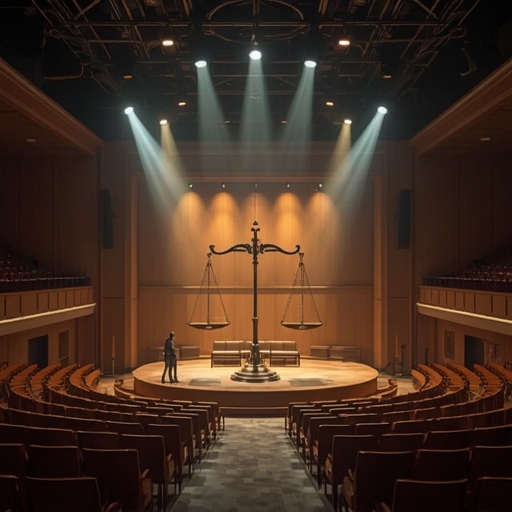
The renewed Live Nation–Ticketmaster antitrust trial stands as a defining juncture in the evolution of entertainment law and corporate accountability. After an unexpectedly tumultuous week dominated by a mid‑trial settlement involving the U.S. Department of Justice and the concert‑ticketing giants, proceedings have resumed under dramatically altered circumstances. Now, the leadership has shifted—dozens of state governments have assumed a central prosecutorial role, transforming the litigation from a bilateral confrontation between company and federal authority into a sweeping, multistate effort to reevaluate market fairness within live event ticketing.
This latest phase of the case evokes what commentators have called a “velvet hammer” moment: a combination of measured firmness and quiet intensity poised to deliver lasting structural change. The metaphor captures the delicate balance between aggression and diplomacy that defines this stage—an insistence on reform implemented through thorough evidence, disciplined legal reasoning, and an awareness of the industry’s cultural magnitude.
Observers note that the trial does more than examine questions of pricing, exclusivity contracts, or service fees. It also addresses the deeper tensions that arise when creative economies intersect with monopolistic infrastructure. For decades, Live Nation and Ticketmaster have served as gatekeepers to live performance, controlling vast networks of venues, artists, and digital ticketing systems. The present litigation tests whether that dominance constitutes an overreach that suppresses competition, consumer choice, or equitable access for independent promoters and smaller venues.
The participation of numerous states broadens both the scale and symbolism of the proceedings. Each attorney general joining the suit brings regional perspectives on how centralized power affects local music scenes, independent theaters, and consumers seeking transparency in pricing and availability. Collectively, their unified stance underscores an unprecedented coordination among public agencies seeking to safeguard competitive integrity in a sector long accused of opacity.
As the trial moves forward, the balance of power in live entertainment may undergo a seismic recalibration. A successful challenge could redefine contractual norms, encourage the emergence of alternative ticketing platforms, and restore negotiating leverage to artists and event organizers. Even a partial settlement might establish new oversight standards and accountability frameworks for dominant players in the market.
Ultimately, the proceedings transcend the courtroom. They have ignited national debate on how modern antitrust enforcement should operate in digital, experience‑based industries where consumer eagerness and technological convenience can obscure the costs of concentration. The ‘velvet hammer’ approach thus signifies not only a tactical legal method but also a broader cultural reckoning—a quiet yet forceful demand for transparency, fairness, and a renewed equilibrium between profit and public trust.
Whether this moment becomes a transformative victory or a carefully constrained compromise, it is already reshaping how lawmakers, artists, and audiences envision the future architecture of live performance and competition policy in the United States.
Sourse: https://www.theverge.com/policy/895778/live-nation-ticketmaster-states-trial-continues