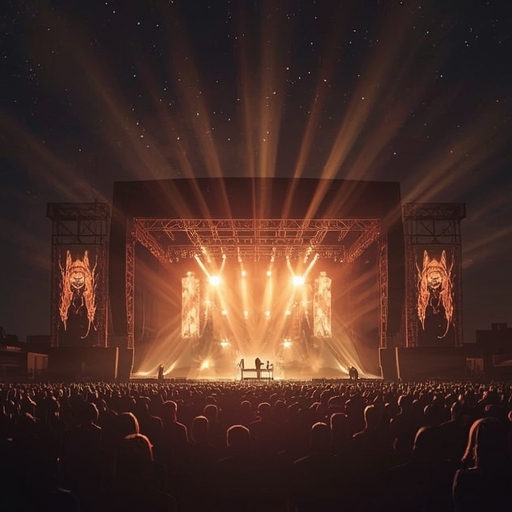
Was it merely a cautionary note, or a profound awakening for the entire live entertainment industry? The unfolding antitrust controversy surrounding Live Nation has entered an even more intricate phase after the emergence of a leaked audio recording that calls into question the distribution of influence, the boundaries of competition, and the ethical obligations of corporate power within the modern music ecosystem. This incident, while ostensibly confined to a single conversation, resonates far beyond one company or case—it serves as a revealing microcosm of the tension between market leadership and monopolistic dominance.
In the dynamic arena of live music, where artistry, commerce, and public interest often collide, such an event provokes critical reflection on what truly constitutes fair conduct. Is the use of strategic leverage an accepted form of business acumen, or does it cross imperceptible lines into coercion and control? This controversy forces industry professionals, regulators, and audiences alike to consider how far negotiation can stretch before it becomes manipulation. The stakes are particularly high when such practices potentially shape access to venues, ticketing systems, and the creative livelihoods of countless performers.
The regulatory response has been equally fragmented and fascinating. Some federal authorities and state governments appear at odds—each interpreting the same behaviors through different lenses of legality, necessity, and fairness. The division underscores the inherent difficulty of preserving competition in a sector dominated by a small number of powerful entities. For supporters of strong antitrust enforcement, the case represents a necessary stand for transparency and balance. For critics, it illustrates the inevitable complexity of maintaining market efficiency without curtailing legitimate success.
At its core, the question remains deceptively simple yet profoundly challenging: in a cultural landscape where one corporation commands substantial control over tours, ticketing, and venue ownership, what does genuine fair play look like? Does dominance automatically imply wrongdoing, or can concentration of power co-exist with ethical responsibility and equitable treatment? As voices from within the industry—artists, promoters, and fans—engage in heated debate, this controversy becomes not just a legal battleground but also a societal mirror reflecting our evolving definitions of responsibility, ambition, and integrity. In the end, the conversation transcends Live Nation itself; it is an inquiry into how far the pursuit of influence may go before the very music begins to sound discordant.
Sourse: https://www.theverge.com/policy/892558/live-nation-ceo-michael-rapino-barclays-center-john-abbamondi-ticketmaster-call-trial