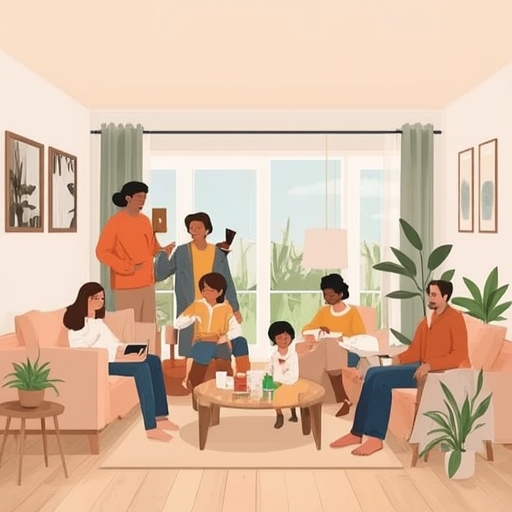
In an era defined by economic shifts and increasing uncertainty, the concept of independence is being profoundly reimagined. Where once individual living symbolized freedom and success, escalating housing and living expenses have reshaped that definition. Today, independence is being reinterpreted not as solitary self-sufficiency, but as the ability to build and thrive within a supportive network—most often under one family roof. This transition does not represent a retreat from autonomy; rather, it signals a move toward a modern model of interdependence grounded in collaboration, emotional well-being, and shared purpose.
The financial demands of contemporary life—rising rent prices, inflation, and the unpredictable nature of global markets—have encouraged many professionals and families alike to rediscover multigenerational living. Within these shared households, adults of different ages combine resources and responsibilities, creating living arrangements that are simultaneously economically efficient and emotionally fortifying. Instead of perceiving cohabitation with relatives as a compromise or a temporary solution, this generation is recognizing it as a pragmatic, long-term strategy for sustainable living.
The benefits of these reconfigured family structures extend far beyond financial relief. Emotional resilience and mutual care flourish within such arrangements. Parents receive assistance with childcare and house management, while aging family members gain companionship and security. Younger adults, in turn, are able to save for future investments—such as property or education—without sacrificing comfort or dignity. This reciprocity revives a sense of community long diminished by the fast-paced individualism of prior decades.
Culturally, this shift also invites a deeper discussion about values. Independence, often idealized as isolation or self-reliance, is being replaced by a more expansive, communal vision of personal freedom—one that emphasizes cooperation, understanding, and adaptability. When family members share living spaces, they learn to negotiate boundaries, respect generational differences, and celebrate diverse lifestyles, thereby cultivating empathy and patience that extend well beyond the home itself.
Living with family, then, is not an admission of defeat, but a conscious, forward-thinking decision. It merges practicality with emotional enrichment, offering a balance between economic prudence and human connection. As societies continue to evolve, the family home may emerge once again as the nucleus of stability, innovation, and personal growth—a space where people not only live together, but truly thrive together.
Sourse: https://www.businessinsider.com/millennials-gen-zers-boomers-multigenerational-housing-save-rent-costs-2026-1