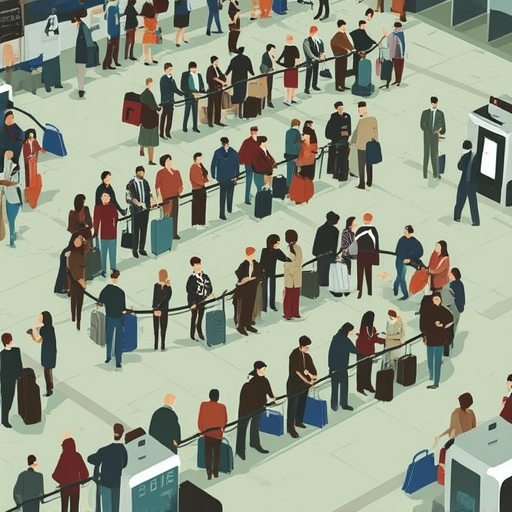
Across the United States, travelers are beginning to experience the ripple effects of the ongoing partial government shutdown, particularly within the nation’s airports. As Transportation Security Administration (TSA) agents continue to work without pay, an increasing number of them have begun to call out or skip shifts altogether. This shortage of available staff is leading to prolonged wait times, extensive security lines, and growing frustration among passengers attempting to board their flights.
In practical terms, many airports—from major international hubs to smaller regional facilities—are reporting security checkpoint delays much longer than the norm. Understaffed lanes, combined with a surge in post‑holiday travel, have resulted in clogged terminals and anxious travelers. Some passengers have shared experiences of waiting more than an hour merely to reach screening, while airport officials attempt to reroute crowds and maintain order amid limited personnel.
These complications underscore how deeply the federal shutdown can impact essential services. TSA officers are considered critical employees and are thus required to continue their duties even without immediate pay; however, the financial strain placed on these workers has heightened absenteeism. Unpaid staff face mounting bills and difficult choices, and morale within the agency has reportedly plummeted. As the shutdown persists, the situation threatens to worsen—potentially straining not only staffing but also traveler confidence in the reliability of airport systems.
For anyone scheduled to travel in the coming days or weeks, preparation and patience are now indispensable. Experts strongly recommend arriving significantly earlier than usual—at least two to three hours before departure for domestic flights—to avoid missing a plane due to congested checkpoints. Monitoring airport social media feeds and official airline updates can also help travelers plan around peak hours or terminal closures.
The longer the impasse continues, the deeper its impact may become, affecting not only TSA but related services such as air‑traffic management and airport maintenance. What began as a government funding dispute has translated into a tangible inconvenience for millions of passengers and a financial hardship for countless federal workers. While the nation’s transportation network remains operational, it now functions under considerable stress, relying on the dedication of unpaid professionals who continue to ensure safety and compliance in the face of adversity.
Ultimately, the situation serves as a vivid reminder of how interconnected public operations are with everyday life. A lapse in government appropriations can quickly transform into lines stretching through terminals, delayed flights, and heightened anxiety for travelers. Until resolution is reached and TSA personnel are compensated for their efforts, passengers are urged to approach upcoming journeys with understanding, extra time, and awareness of the challenges facing those who keep America’s airports running.
Sourse: https://www.businessinsider.com/airport-delays-tsa-lines-partial-government-shutdown-list-2026-3