Returning from an advanced artificial intelligence conference felt like stepping briefly into the workplace of the future, a vibrant synthesis of human ingenuity and technological precision. The entire event served as a striking preview of how profoundly AI will reshape the nature of professional collaboration and leadership. No longer will organizational success depend solely on managing human teams with communication skills, empathy, and direction; the emerging reality demands that leaders also coordinate and orchestrate the activities of intelligent software counterparts capable of independently executing complex tasks.
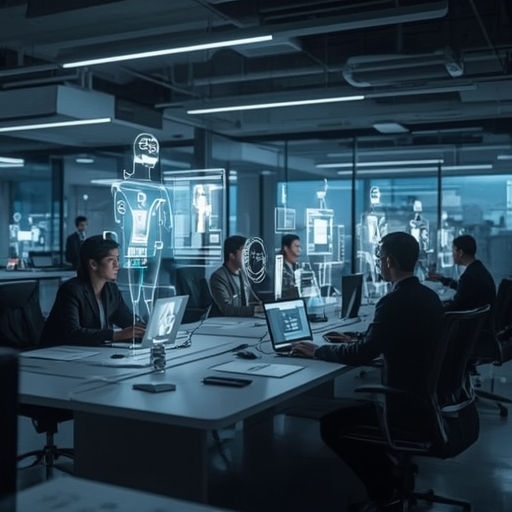
This transformation suggests that the term ‘middle management’ will soon acquire a deeper and more multifaceted meaning. Tomorrow’s managers must become fluent interpreters between human initiative and machine logic, transforming themselves into hybrid supervisors who understand algorithmic reasoning as keenly as they understand human motivation. For example, while a traditional project manager might schedule tasks or track performance manually, their future equivalent may configure AI-driven agents that autonomously distribute workloads, analyze progress in real time, and flag inefficiencies before they escalate—all under the strategic oversight of a human leader who balances emotional intelligence with data-centric insight.
Technological literacy will thus converge with cognitive empathy, producing a new breed of managerial professional—someone equally comfortable engaging in technical dialogue about neural networks as in mentoring a junior developer or mediating team dynamics. In such an environment, effective leadership will derive not only from command or authority but from the capacity to cultivate harmony between human creativity and algorithmic precision. The coming managerial archetype will be a curator of synergy, ensuring that artificial agents enhance rather than supplant the human spirit of innovation.
Ultimately, this paradigm shift invites professionals at every level to evaluate their readiness for a future in which collaboration will transcend the boundaries of biology. The challenge is not whether AI will integrate into the workplace—it already has—but whether we can adapt our leadership mindset quickly enough to harness its full potential without diminishing our human uniqueness. The era of managing the machines is upon us, and those who learn to lead both people and intelligent systems with equal dexterity will define the next generation of organizational excellence.
Sourse: https://www.businessinsider.com/ai-agent-management-software-engineer-openai-anthropic-google-coding-2026-4