McDonald’s CEO Chris Kempczinski has unveiled a visionary outlook on the evolving culinary landscape, forecasting three defining trends that are poised to reshape global food culture by 2026. According to his insightful perspective, the next wave of innovation in the restaurant and fast‑food industry will be guided by a renewed focus on health, bold experimentation with flavors, and a reimagining of how beverages complement the modern dining experience.
At the forefront of these transformations lies an increased emphasis on fiber‑rich meals that cater to consumers’ growing desire for wellness and balanced nutrition. As public awareness of digestive health and long‑term well‑being continues to expand, fiber is emerging from its traditional dietary niche to become a central component of mainstream menu planning. This shift represents not merely a fleeting dietary craze but a structural change in how major food companies will approach menu composition—favoring whole grains, plant‑based sources, and other naturally high‑fiber ingredients that support both satiation and vitality. For example, we can expect to see more creative integrations of fiber across traditionally indulgent categories, such as artisan burgers made with whole‑grain buns or desserts featuring fruit and oat blends.
The second trend identified by Kempczinski highlights the meteoric rise of daring sweet‑and‑spicy flavor combinations. These dynamic pairings cater to adventurous palates seeking deeper sensory stimulation and emotional engagement with food. The modern diner, constantly exploring the boundary between comfort and novelty, increasingly favors complexity over simplicity. Here, sweetness tempers heat, creating a culinary equilibrium that excites without overwhelming. Such combinations—like honey‑infused chili glazes, mango habanero sauces, or caramel‑spiced coffee—are poised to permeate menus at every level, from quick‑service chains to fine dining establishments. This trend symbolizes a broader cultural phenomenon: a celebration of global flavor crossovers influenced by diverse cuisines and contemporary creativity.
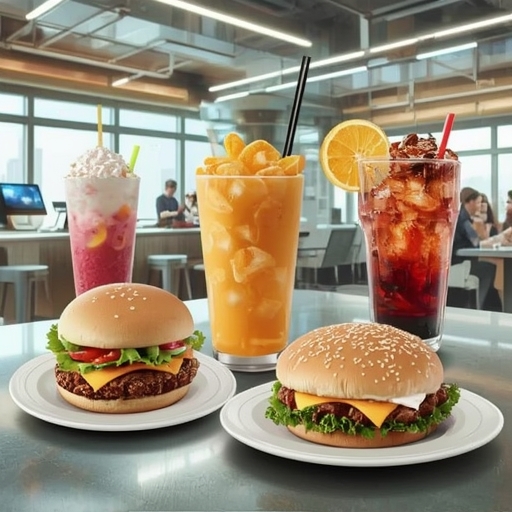
The third pillar of McDonald’s forecast involves next‑generation beverage innovation. The future of drinks, as Kempczinski envisions it, will extend beyond traditional sodas or shakes into more vibrant, functional, and aesthetically captivating creations. Expect beverages that fuse health benefits with sensory appeal—imaginative concoctions infused with vitamins, natural fruit essences, and botanical extracts that reflect consumer demand for refreshment aligned with well‑being. Colorful, visually striking drinks presented with sustainable packaging will likely become experiential centerpieces, representing not just a complement to meals but a statement of modern lifestyle choices. This focus on beverage artistry underscores how even a simple drink can become a platform for innovation, storytelling, and brand differentiation.
Together, these three movements—fiber‑forward nutrition, the allure of sweet‑and‑spicy fusion, and elevated drink craftsmanship—encapsulate the balance between indulgence and responsibility that defines contemporary culinary culture. They illustrate how food corporations are responding to complex consumer expectations: the wish to enjoy vibrant flavors while maintaining health, sustainability, and creativity. McDonald’s prognosis for 2026 is, therefore, not merely a prediction of taste but a declaration of the industry’s future philosophy—one rooted in awareness, imagination, and global sensibility.
The company’s outlook serves as both a roadmap and inspiration for restaurateurs, product developers, and trend watchers eager to anticipate what tomorrow’s diners will crave. As these trends unfold, they signal the dawn of a new era in which flavor, function, and feeling converge to redefine what it means to eat well in an ever‑evolving world.
Sourse: https://www.businessinsider.com/mcdonalds-2026-big-food-trends-fiber-drinks-sweet-spicy-2026-1