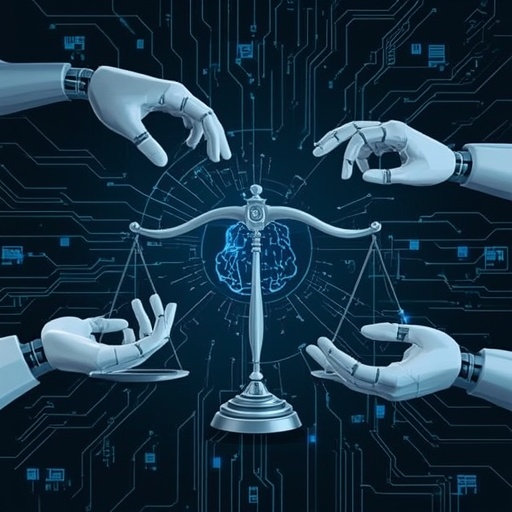
Meta Platforms has become the focal point of a significant legal dispute following allegations that its artificial‑intelligence‑driven layoff mechanisms exhibited systemic bias. The lawsuit contends that the company’s automated processes used in determining which employees would be dismissed disproportionately targeted individuals with disabilities as well as those who were taking parental or medical leave. In essence, the plaintiffs argue that the digital algorithms—ostensibly designed to improve efficiency and objectivity—may have amplified existing workplace inequalities rather than eliminating them.
This case brings to light a far‑reaching ethical dilemma within the evolving intersection of technology and human resource management. Artificial intelligence has increasingly been adopted to make critical employment decisions—ranging from recruitment to performance evaluation and redundancies—but its opaque inner workings often conceal biases embedded in the underlying data or decision‑making models. In Meta’s situation, the charge is that the AI system may have inadvertently learned to associate absence or disability with lower productivity or higher cost, leading to discriminatory outcomes that contravene established labor and disability‑rights protections.
Beyond the specifics of this case, the controversy provokes a broader societal debate about the limits of algorithmic trust and corporate responsibility. If organizations delegate sensitive human decisions—such as the termination of employees—to machine‑learning systems, they must ensure not only that those systems are technically efficient but also that they are ethically sound, transparent, and subject to regular human oversight. The question is no longer whether AI can streamline corporate operations, but how companies can verify that the logic guiding these tools aligns with moral principles and legal fairness.
Critics emphasize that while automation can mitigate individual human prejudice, it also risks reinforcing structural biases when trained on historical data reflecting inequitable practices. Consequently, governance frameworks for algorithmic accountability have become more urgent than ever before. Experts advocate measures such as independent audits of AI decision‑making, robust documentation of model design, and clear channels through which affected employees can challenge automated verdicts.
Ultimately, the Meta lawsuit underscores a pivotal tension facing modern employers: the desire to harness artificial intelligence for efficiency and scale versus the imperative to preserve fairness, empathy, and legality in people‑centric decisions. Whether this litigation leads to judicial reform, corporate policy change, or heightened public scrutiny, it serves as a critical reminder that technological innovation must be accompanied by ethical vigilance and transparency. The case may well become a landmark example in the ongoing conversation about how humanity defines justice in an era increasingly governed by algorithms.
Sourse: https://gizmodo.com/meta-sued-for-allegedly-using-discriminatory-ai-in-layoff-decisions-2000785427