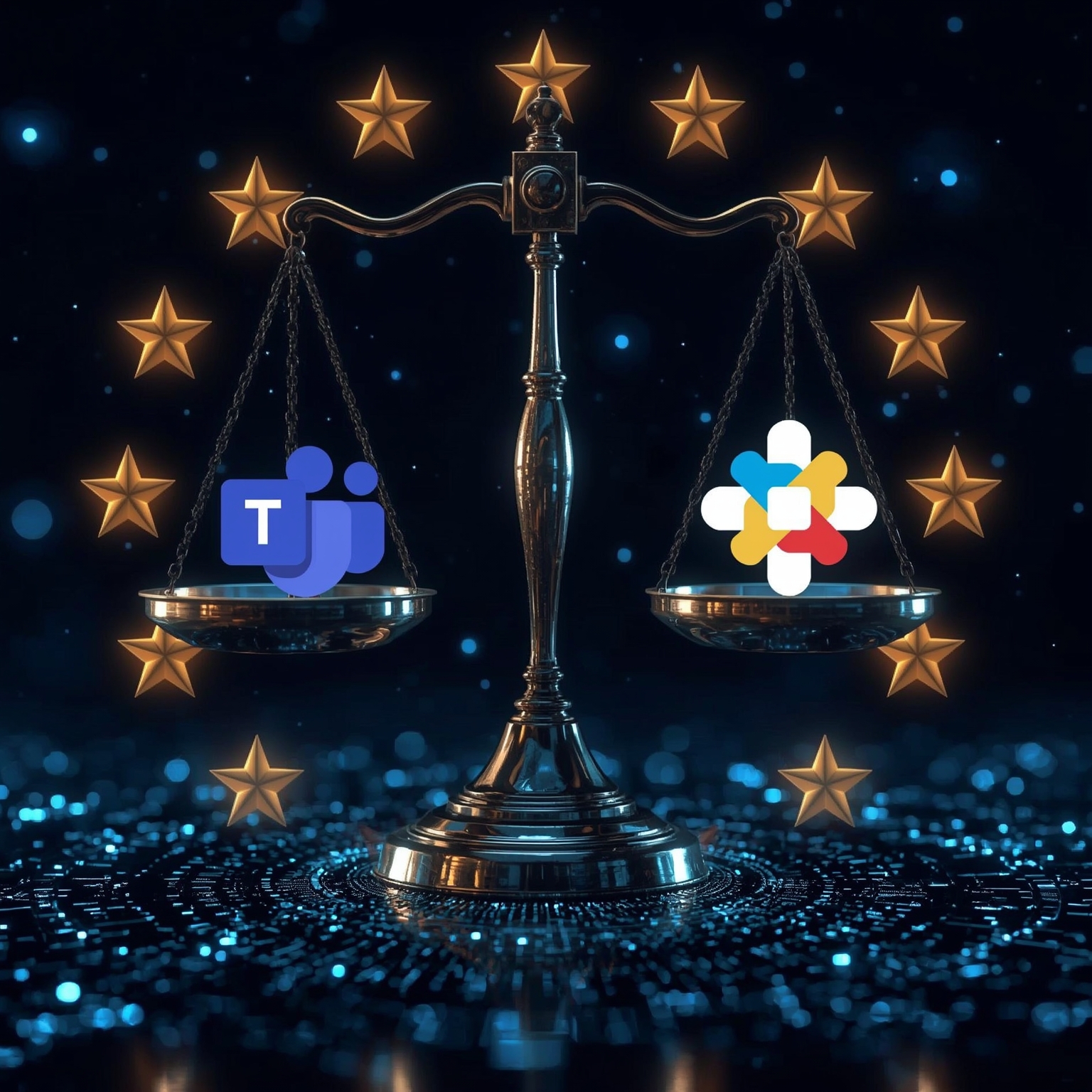
Microsoft has successfully averted the imposition of a financial penalty from the European Commission after being formally accused of breaching European Union antitrust regulations. The case centered on Microsoft’s controversial practice of packaging its Teams collaboration and communication platform together with its popular Office 365 and Microsoft 365 subscription services. Following a lengthy inquiry, the European Commission confirmed that it has formally accepted a series of commitments offered by Microsoft as legally binding measures intended to remedy competition concerns that stemmed from the integration of Teams. These concerns were originally brought to the Commission’s attention in July 2020, when the workplace communication service Slack filed an official complaint alleging anti-competitive behavior.
The European Commission explained that the commitments provided by Microsoft comprehensively address the regulator’s apprehensions about the undue advantages conferred by tying Microsoft Teams to other widely used productivity products, such as Word, Excel, PowerPoint, and Outlook. These applications form the core components of Microsoft’s business-focused Office 365 and Microsoft 365 bundles, and according to regulators, the bundling presented risks of restricting choice for companies seeking collaboration software independent of Microsoft’s ecosystem.
Under the terms of the agreement, Microsoft has made several concrete pledges designed to guarantee a more level playing field in the communications software market. Most of these obligations will be subject to oversight and enforcement by EU authorities for a duration of seven years, ensuring a long-term safeguard for competition. However, certain provisions—most notably those addressing interoperability between Microsoft products and rival services, as well as commitments related to customer data portability—will extend even further, remaining in force for a full decade. These measures are intended to ensure that new or smaller competitors in the market are not disadvantaged by technological or contractual barriers.
Importantly, Microsoft had already begun taking preliminary steps in response to regulatory pressure as early as 2023, when the company decided to decouple Teams from its Office products in Europe. This partial unbundling was a gesture aimed at mitigating the Commission’s concerns. Subsequently, Microsoft broadened that effort globally, transforming Teams into a distinct standalone product separate from Office 365 subscriptions worldwide. These moves represented an acknowledgment by Microsoft of the increasingly urgent calls for fairer competitive practices within the digital collaboration landscape.
Teresa Ribera, serving as the European Commission’s Executive Vice President for Clean, Just, and Competitive Transition, highlighted the importance of the ruling by situating it within the broader global context. She emphasized that organizations of every size, ranging from small enterprises to multinational corporations, have become profoundly reliant on tools for videoconferencing, instant messaging, and team collaboration—particularly since the onset of the Covid-19 pandemic, which accelerated the shift to remote and hybrid work models. Consequently, today’s decision is designed not merely to resolve a dispute between Microsoft and a rival competitor, but to help guarantee that businesses across Europe and beyond preserve the freedom to select communication platforms that align most closely with their unique operational needs, without being pressured into adopting one company’s bundled solution.
The roots of this high-profile case trace back to Slack’s initial complaint in mid-2020, which alleged that Microsoft had effectively forced widespread adoption of Teams by engaging in coercive bundling tactics. Slack asserted that Microsoft went so far as to automatically install Teams for millions of enterprise users, restrict the ability to uninstall the software, and obscure the true additional financial cost associated with its inclusion in corporate subscription bundles. The European Commission opened its formal antitrust investigation in 2023, in response to Slack’s allegations and against the backdrop of intensifying competition in the digital workplace market in the aftermath of the pandemic.
In essence, the resolution of this dispute illustrates both the growing scrutiny directed toward large technology companies by European regulators and the determination of the EU to preserve fair and transparent competition in pivotal digital markets. The commitments obtained from Microsoft are therefore not only relevant for the immediate parties in this case—namely, Microsoft and Slack—but also for the broader ecosystem of software developers and enterprise customers worldwide, for whom greater interoperability, transparency, and freedom of choice will now be safeguarded for years to come.
Sourse: https://www.theverge.com/news/776968/microsoft-teams-eu-commitments-avoid-fine