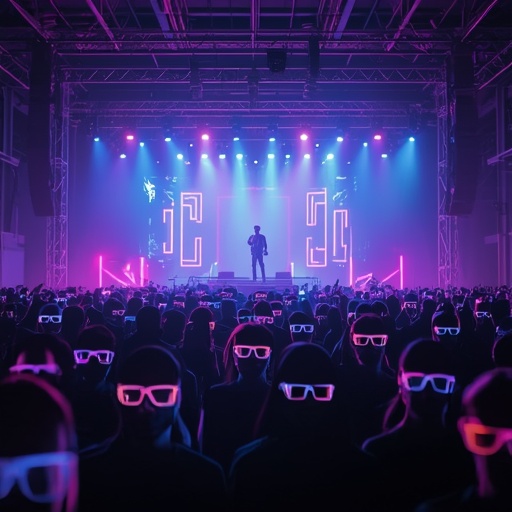
In an electrifying convergence of music, technology, and cultural commentary, a recent festival performance has reignited global discourse about the growing influence of artificial intelligence in consumer wearables. During the event, a widely celebrated musician paused mid-performance to voice skepticism about the rapid rise of AI-integrated eyewear—particularly the newly popular AI glasses that blend fashion with data-driven computing. Ironically, the festival itself was sponsored by the primary manufacturer of these very devices, injecting the moment with an unmistakable sense of irony and amplifying its resonance across both social media and industry circles.
The incident struck a deep cultural chord, transforming what began as a moment of artistic spontaneity into a symbolic expression of the tension between creativity and technological advancement. Audience members, caught between admiration and amusement, documented the spectacle in real time, while online commentators debated whether the artist’s statement represented a form of rebellion against corporate branding or a genuine concern over privacy and artistic authenticity. The juxtaposition of a creative figure rejecting innovation within a promotional environment designed to celebrate that same technology underscored an essential modern paradox—the coexistence of artistic freedom within a highly commercialized, tech-driven landscape.
Beyond the spectacle itself, this confrontation gestures toward larger questions about the future of emerging technologies that now blur the boundaries between personal experience and data collection. AI glasses promise revolutionary possibilities: real-time translation, environmental analysis, and seamless connectivity. Yet, as this festival moment vividly demonstrated, their presence also raises complex ethical and social dilemmas. How do society and culture reconcile the allure of innovation with legitimate anxieties about surveillance, consent, and the commodification of private perception?
From a marketing standpoint, the controversy inadvertently served as both critique and advertisement, igniting curiosity while challenging audiences to scrutinize the motives behind such inventions. Meanwhile, professionals in fields ranging from design to ethics have taken the opportunity to reflect on what this debate signifies for the relationship between art, commerce, and technology. The discussion transcends a single performance—it epitomizes a pivotal cultural shift. As wearables become increasingly indistinguishable from fashion statements, questions about authenticity, autonomy, and the pace of innovation will continue to intensify.
Ultimately, this incident has evolved beyond a fleeting headline. It encapsulates an emerging truth: modern creativity exists in constant dialogue with its technological surroundings. The AI glasses controversy, sparked amid flashing lights and pulsing music, reminds us that progress, however dazzling, is never without friction. It challenges individuals, industries, and audiences alike to redefine where the boundaries between artistry, identity, and technology should—and perhaps must—be drawn.
Sourse: https://www.businessinsider.com/ai-glasses-comment-lorde-meta-rayban-mad-cool-festival-2026-7