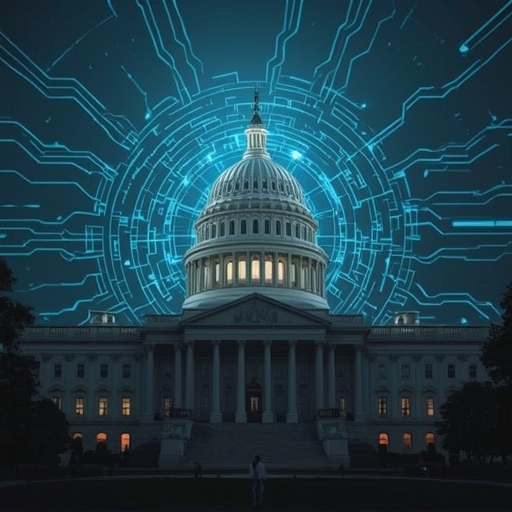
The recent decision by the Pentagon to place a leading artificial intelligence company on its official blacklist, citing unresolved supply chain vulnerabilities, has sparked an important discussion across the technology and defense sectors. This complex situation exemplifies the delicate balance between innovation—the driving force behind progress—and the strict regulatory oversight that ensures national security and ethical accountability. Our latest analysis delves deeply into these intersecting priorities, presenting a detailed eight-step framework aimed at rebuilding credibility, restoring institutional trust, and redefining how private sector innovators and governmental organizations can work together more effectively in the future.
Rather than perceiving the blacklisting merely as a punitive measure, this roadmap interprets it as a strategic moment for reassessment and renewal. Each phase of the plan explores not only the procedural actions necessary to meet defense compliance requirements but also the cultural and communicative shifts essential for genuine cooperation. By fostering transparency, aligning ethical commitments, instituting rigorous verification systems, and maintaining open lines of dialogue with public authorities, technology leaders can transform potential setbacks into profound opportunities for reform.
At the heart of this blueprint lies the conviction that innovation cannot survive without mutual trust. For decades, the relationship between groundbreaking tech enterprises and national security institutions has oscillated between cautious partnership and wary distance. This plan proposes a concrete method to reconcile those tensions by emphasizing long-term alignment, multidirectional education between policymakers and engineers, and clear messaging that bridges the gap between rapid invention and responsible governance.
To illustrate, one recommended step involves cultivating continuous compliance auditing infused with AI-driven monitoring tools—illustrating that advanced innovation can, rather than threaten oversight, actually reinforce it. Another emphasizes the necessity of narrative transformation: shifting the public conversation from controversy to shared vision, from restriction to collaboration. When both sides recognize the symbiotic nature of their goals—technological superiority on one hand and national integrity on the other—progress ceases to be adversarial and becomes collective.
Ultimately, this expanded strategy invites leaders on both sides to reimagine partnership as an evolving dialogue rather than a transactional exchange. By applying meticulous transparency measures, building ethical infrastructure, and engaging in sustained collaboration, AI firms can re-secure their credibility, while the Pentagon and similar institutions can reestablish the confidence that the technologies they adopt are not only powerful but also principled. Through these intentional efforts, the future of defense innovation can become a model of accountability, resilience, and shared purpose for the global technological landscape.
Sourse: https://www.businessinsider.com/dario-amodei-get-off-pentagon-naughty-list-anthropic-donald-trump-2026-3