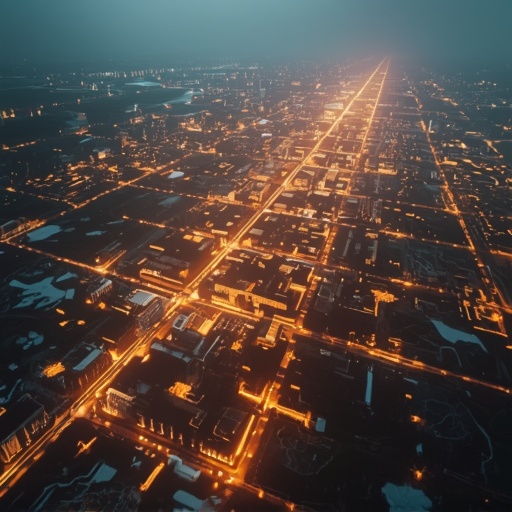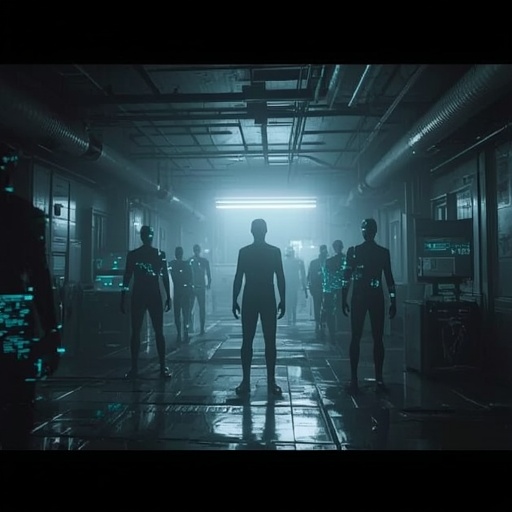
Renowned filmmaker Neill Blomkamp has ventured into uncharted creative territory with his latest experimental short, *Nightborne*—a project that pushes the boundaries of what artificial intelligence can contribute to cinema. The piece, constructed entirely with the aid of advanced AI tools, merges technological innovation and artistic imagination in a way that both fascinates and unsettles its audience. Rather than relying on traditional filmmaking techniques, Blomkamp allows machine learning algorithms to shape the mood, imagery, and eerie tone of this digital nightmare, resulting in an experience that feels at once synthetic and hauntingly familiar.
Although *Nightborne* classifies itself under the horror genre, its true impact lies not in eliciting terror but in provoking introspection. Viewers have found themselves caught between admiration for its technical novelty and discomfort at its emotional detachment. The project’s existence sparks an urgent conversation about authorship and authenticity in an era when machines are no longer mere tools but collaborators. For some, Blomkamp’s exploration exemplifies visionary experimentation—proof that artificial intelligence can amplify human creativity by generating new narrative and visual possibilities that would be impossible through manual craftsmanship alone. For others, it feels like an unsettling glimpse into an artistic future stripped of spontaneity and empathy, where human intuition risks being replaced by algorithmic precision.
The reception of *Nightborne* has been polarizing. Advocates view the film as a bold declaration that storytellers can coexist with technology, using it not as a substitute but as an extension of the creative impulse. Critics, however, question whether algorithmic composition can ever truly evoke the complexity of human emotion. They argue that while the visual sophistication of AI-generated cinema is astounding, it cannot yet replicate the imperfections and vulnerabilities that give traditional art its soul. Blomkamp’s project therefore becomes more than just a short film—it functions as a philosophical statement about the delicate alliance forming between innovation and imagination.
Ultimately, *Nightborne* invites us to ponder a deeper question: as artificial intelligence continues to infiltrate every layer of artistic production, will it serve as a partner that enhances the human spirit, or will it evolve into a mirror reflecting our creative limitations? In presenting this provocative experiment, Blomkamp may not have provided a definitive answer, but he has ensured that the debate surrounding the relationship between humanity and machine-made art will remain vivid, complex, and impossible to ignore.
Sourse: https://gizmodo.com/neill-blomkamps-new-horror-clip-is-entirely-ai-generated-sucks-2000788103