A transformative housing initiative has emerged, marking one of the most significant policy shifts in recent years. Policymakers are now setting their sights on large institutional investors—massive financial entities that have, in many regions, accumulated extensive portfolios of single-family homes. These investors, often valued for their ability to inject capital but criticized for driving up housing prices and reducing inventory for everyday homebuyers, will soon face new restrictions designed to limit their dominance in the residential market.
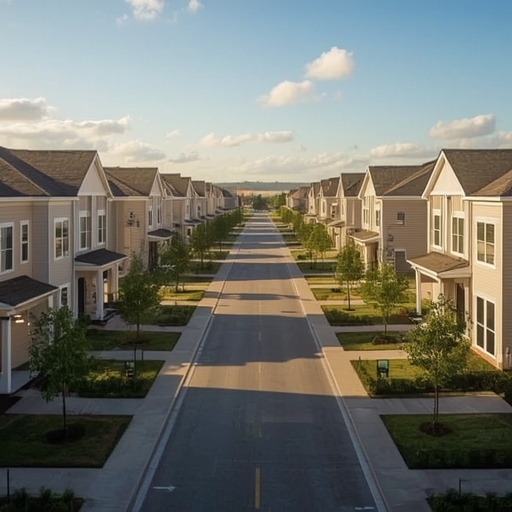
However, the proposed regulations are not all-encompassing. A carefully crafted exception will remain for **build-to-rent** developments—neighborhoods and apartment-style communities intentionally built for long-term renting rather than resale. This exemption acknowledges the essential role of professionally managed rental housing, especially in a period where affordability crises and population growth have made ownership increasingly difficult for middle-income families.
The government’s aim is twofold: to restore balance in the ownership market by reducing speculative purchasing while ensuring that purpose-built rental housing continues to flourish. By doing so, the policy attempts to bridge a delicate gap between curbing excess investment and supporting much-needed rental supply.
For **renters**, this policy could translate into more stable access to professionally managed homes that prioritize community living and long-term tenancy rather than quick profit turnover. For **potential homeowners**, particularly first-time buyers, a decrease in institutional competition may open new opportunities to purchase properties that were previously snapped up in bulk by major investment firms.
Meanwhile, **investors** will find themselves recalibrating strategies. Companies that once focused on broad home acquisition may pivot toward developing purpose-built rental projects—ventures that align with the government’s approved framework and continue to deliver steady returns through rental income rather than resale speculation. This approach could draw parallels to the thriving multifamily housing sector, where consistent demand underscores the value of long-term stability over short-term gains.
Economists note that the policy’s impact could extend far beyond the immediate housing market. Reducing speculative investment may help stabilize prices, slow inflated appreciation rates, and gradually return affordability to local markets where corporate purchases have been most pronounced. Nonetheless, policymakers must carefully monitor unintended consequences—such as potential reductions in overall housing supply if investment firms withdraw too rapidly.
In essence, this new direction seeks not to vilify institutional participation but to **redefine its boundaries** within a more equitable residential ecosystem. It aims to cultivate a housing landscape that welcomes responsible investment, protects community integrity, and prioritizes accessibility for individuals and families seeking stable homes. Whether this initiative achieves the desired equilibrium remains to be seen, but its introduction marks a pivotal step in rethinking how modern societies balance ownership, investment, and housing as a public good.
Sourse: https://www.businessinsider.com/trump-laid-out-his-plans-to-restrict-institutional-housing-investors-2026-1