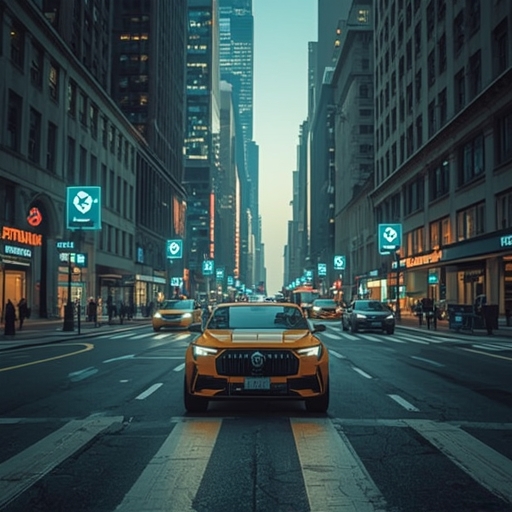
New York’s ambitious vision of embracing a driverless, fully autonomous transportation network has encountered an abrupt slowdown. The state’s governor has formally withdrawn a proposal that would have granted approval for the operation of unmanned robotaxis on public roads. This decision arrives at a moment of striking contrast, just as major players in the autonomous vehicle industry—most notably Waymo—secured an extraordinary $16 billion financial injection designed to accelerate nationwide expansion efforts. The juxtaposition between this surge of corporate optimism and New York’s cautious retreat encapsulates the broader tension between innovation and regulation that defines the future of urban mobility.
For advocates of automation, the governor’s reversal represents more than a logistical delay; it is a symbolic reminder of how political, ethical, and infrastructural considerations continue to shape the pace of technological advancement. The announcement effectively pauses New York’s journey toward integrating robotaxis into its already intricate transit ecosystem—a city famed for its relentless energy, dense traffic arteries, and cultural resistance to anything impersonal or untested. While other American metropolitan areas, such as Phoenix, San Francisco, and Los Angeles, push ahead with autonomous trials, the Empire State appears determined to ensure that safety assurances, liability frameworks, and community feedback mechanisms are properly aligned before taking the next step.
This recalibration invites reflection on the broader interplay between progress and prudence. Technological innovation, particularly in the realm of artificial intelligence and automated driving, thrives on momentum. Yet, the enormous societal implications of granting machines independent authority over passenger transport require careful, ethically anchored governance. In pulling back the proposal, state leadership signals its intention to proceed deliberately—to balance economic opportunity and public trust, to weigh the promise of reduced accidents and congestion against the unresolved concerns surrounding accountability, data protection, and emergency response readiness.
Meanwhile, the global market for autonomous mobility continues to evolve at breakneck speed. Funding rounds like Waymo’s latest illustrate a swelling appetite from investors and policymakers alike for technology that could someday redefine not only the logistics of travel, but also the architecture of modern cities themselves. Nonetheless, New York’s hesitation underscores the reality that innovation alone cannot dictate policy; rather, successful implementation hinges upon the alignment of technological readiness, social acceptance, and well-crafted regulatory frameworks.
Ultimately, the state’s decision to pause its robotaxi rollout does not spell an end to autonomous aspirations—it simply reframes the timeline. The Big Apple, regularly at the vanguard of urban experimentation, remains a critical testing ground for emerging mobility ecosystems. Yet, for now, its streets will host human drivers a little longer while legislators, engineers, and ethicists collaborate on defining what safety, transparency, and accountability should mean in a fully automated age. The future of driverless transport in New York may have momentarily parked—but the engine of innovation continues to hum quietly, awaiting the signal to move forward once more.
Sourse: https://www.businessinsider.com/ny-scraps-plan-to-legalize-driverless-robotaxis-blow-to-waymo-2026-2