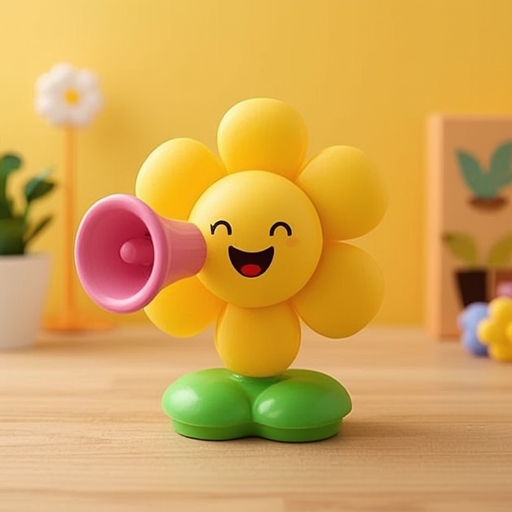
Nintendo has once again demonstrated its remarkable ability to transform even the simplest and most whimsical concepts into cultural sensations that capture the collective imagination of fans around the world. Their latest creation—a $35 talking flower toy—offers a perfect example of this phenomenon. At first glance, it might appear to be just another charming collectible, yet its noisy, chatty nature makes it both delightfully irritating and irresistibly endearing. Much like a vibrant character springing to life from one of Nintendo’s signature game universes, this talking flower becomes an eccentric companion that thrives on expressing itself endlessly. It refuses to remain silent, constantly filling the air with cheerful chatter, and in doing so, it manages to blur the line between toy and personality.
What makes this particular gadget so fascinating is how it taps into the emotional psychology of design. By intentionally infusing it with traits that are commonly seen as bothersome—such as a non-stop voice and an exaggerated enthusiasm—Nintendo has flipped cultural expectations about user experience on their head. Instead of frustrating its audience, the toy’s ‘annoying’ aspects become part of its charm, eliciting laughter, warmth, and genuine affection from players and collectors alike. In a broader sense, this playful creation serves as a masterclass in experiential marketing: it demonstrates that products designed around personality and emotional resonance often triumph over purely utilitarian or aesthetic designs.
The talking flower is more than a novelty—it represents a reflection of Nintendo’s long-standing mastery of balancing humor, nostalgia, and innovation. Fans around the globe view it as both a conversation piece and a symbol of joy, bringing a touch of the company’s imaginative spirit into everyday life. It’s not just a toy to be placed on a desk; it becomes a lively presence that transforms its environment, sprinkling moments of amusement into daily routines. The question is no longer whether people will tolerate its constant chatter, but rather how quickly they will find themselves becoming fond of it.
In essence, Nintendo’s talking flower encapsulates the company’s creative ethos: to craft experiences that delight, even when they challenge conventional notions of what consumers should want. It fuses playfulness with emotional storytelling, reminding us that authenticity, character, and boldness in design can turn the seemingly trivial into something unforgettable. Just as Nintendo has repeatedly done throughout its history, this little flower proves that sometimes, the things that make us laugh, cringe, and smile all at once are precisely the ones we cherish the most.
Sourse: https://gizmodo.com/nintendos-talking-flower-is-annoying-as-hell-i-love-it-2000734658