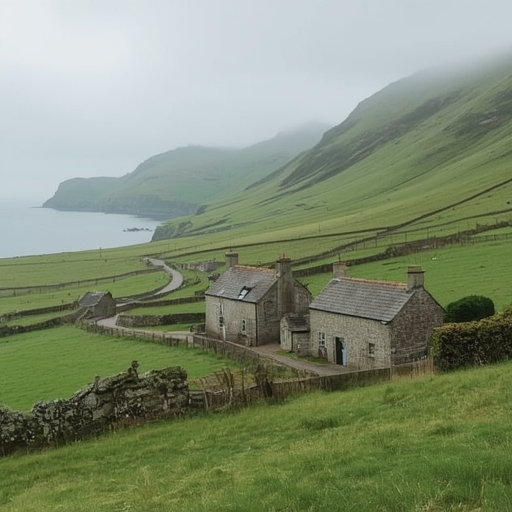
For many travelers, Northern Ireland represents an alluring blend of rugged landscapes, dramatic coastlines, and a culture shaped by centuries of resilience. Yet countless first-time visitors make the same missteps—rushing through headline attractions, overlooking the nation’s complex history, and missing the quiet authenticity that defines its spirit. To experience this land as more than a postcard, it’s essential to go beyond surface impressions and engage with the living narrative that unfolds in its people, traditions, and terrain.
The most common mistake is treating Northern Ireland as a quick detour rather than a destination worthy of time and curiosity. Many travelers arrive intent on snapping photos of the Giant’s Causeway, wandering through Belfast’s vibrant quarters, or standing before Game of Thrones filming sites, before moving on to the Republic of Ireland. While these experiences are visually stunning, they only hint at the deeper story woven through the landscapes. A slower exploration—lingering in coastal villages, walking along silent boglands, or speaking with locals in small-town cafés—reveals layers of identity and endurance that no brochure can capture.
Equally frequent is the oversight of cultural and historical depth. Northern Ireland’s story is inseparable from its turbulent past—the partition of Ireland, the decades known as The Troubles, and the hard-won peace process that redefined its modern identity. Visitors who take time to understand this context gain a more profound appreciation of the places they walk through. A guided tour of Belfast’s peace walls, or an afternoon in Derry~Londonderry’s Museum of Free Derry, transforms what might seem like simple sightseeing into meaningful reflection on reconciliation and community rebuilding. This engagement is not about dwelling on division, but about acknowledging the resilience that now defines the nation.
Another subtle error is disregarding the everyday culture that exists beyond monuments and landmarks. Music, poetry, and storytelling are not tourist performances here—they are vital languages through which generations have expressed joy, loss, and belonging. Spending an evening in a local pub listening to live folk tunes or attending a community festival offers insight into a cultural continuity that endures despite change. The warmth and understated humor of Northern Irish people often leave an impression just as lasting as the scenery itself.
Lastly, travelers sometimes underestimate the diversity of Northern Ireland’s natural environment. From the windswept Mourne Mountains to the glens of Antrim and the Causeway Coast’s basalt cliffs, the region rewards those who approach it as a living ecosystem rather than a checklist of sights. A morning hike in misty uplands, a cycle along quiet country lanes lined with wild gorse, or a ferry ride to Rathlin Island allows a person to feel the pulse of the land—its solitude, its subtlety, its patience. Nature here does not shout; it whispers, and the traveler who listens finds a rare kind of peace.
To avoid these common oversights, approach Northern Ireland as both a place and a story—one that requires time, empathy, and openness to voices beyond your own. Engage with local guides, support small artisans, visit less-traveled sites, and let conversations unfold naturally. Each encounter, whether with a muralist, farmer, or musician, contributes to an evolving understanding of what it means to belong in a land shaped by contrasts. The true reward of visiting Northern Ireland is not only in what you see but in how deeply you allow yourself to feel its history and humanity.
In its cliffs, its cities, and its people, Northern Ireland invites travelers to leave the path of convenience for the road of connection. By slowing down, listening closely, and embracing curiosity, your journey becomes far more than travel—it becomes participation in a living culture that continues to transform itself with grace and strength.
Sourse: https://www.businessinsider.com/north-ireland-mistakes-first-time-tourists-from-regular-visitor-itinerary-2026-5


