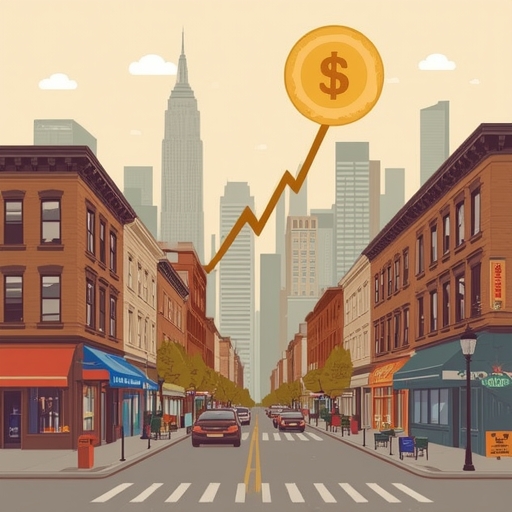
New York City is once again at the forefront of a national conversation about economic equity, urban livelihood, and the sustainability of small enterprises. The city’s latest proposal—to elevate the minimum wage to $30 per hour—has generated both enthusiastic support and notable apprehension, becoming a focal point for debates about the intersection of social progress and financial feasibility. On one side of the discussion, proponents of the wage increase argue that such a bold adjustment is not merely a matter of income enhancement but an essential step toward ensuring that workers can maintain a decent quality of life within one of the most expensive metropolitan regions in the world. For many employees, particularly those in service and retail sectors, a $30 hourly rate represents the difference between persistent economic insecurity and genuine financial stability. Advocates view this initiative as a meaningful investment in human capital, one that could strengthen community resilience by empowering individuals with greater purchasing power, reducing dependence on public assistance, and fostering a more equitable local economy.
However, this optimism is tempered by the apprehension reverberating throughout the city’s small business community. Independent proprietors, neighborhood café owners, and family-run shops often operate with razor-thin margins and limited financial flexibility. For them, the proposed increase introduces serious questions about long-term sustainability: Can they raise wages without dramatically increasing prices or reducing their workforce? Will higher operating costs jeopardize their competitiveness against larger corporations with deeper financial reserves? Many entrepreneurs fear that what appears as a socially progressive measure might inadvertently accelerate the consolidation of the marketplace, pushing local businesses—the very heart of New York’s cultural and economic identity—into decline or closure.
This tension between fairness and feasibility lies at the core of New York’s current policy debate. The city must grapple with the challenge of aligning moral imperatives—ensuring that all workers are paid a livable wage—with the practical realities faced by small business owners striving to remain solvent amid increasing rents, supply costs, and post-pandemic recovery hurdles. The conversation therefore extends beyond a dollar figure to encompass broader considerations: What constitutes an ethical economy, and how can cities support both labor and enterprise without forcing one to bear the cost of the other?
Ultimately, New York City’s $30 minimum-wage proposal stands as a defining test of urban economic vision. It compels policymakers, business leaders, and residents alike to examine what kind of community they wish to build—a city where prosperity is widely shared through equitable compensation, or one where financial growth remains concentrated among the few. Whether this initiative emerges as a catalyst for stronger neighborhoods or as an obstacle to entrepreneurial survival will depend not only on the policy itself, but also on the willingness of all stakeholders to collaborate, innovate, and balance economic justice with enduring viability.
Sourse: https://www.wsj.com/business/hospitality/new-york-city-minimum-wage-800eb107?mod=pls_whats_news_us_business_f