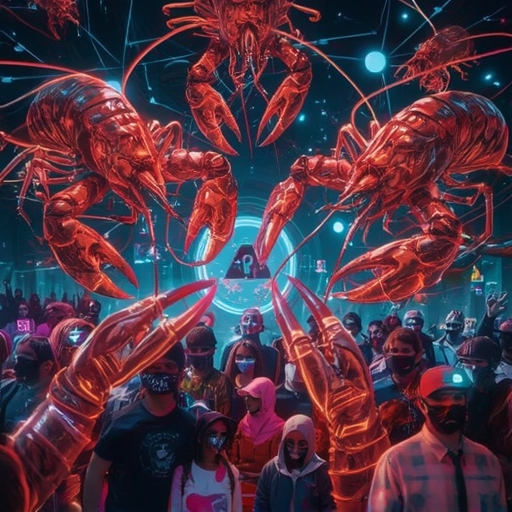
The recent viral phenomenon known as OpenClaw has become far more than an ephemeral online trend characterized by lobster hats, claw-shaped props, or playful digital memes. It has transformed into a fascinating case study of how internet culture and artificial intelligence can intersect to create a genuine sense of belonging. In this movement, technology ceases to be a simple tool and evolves into a platform for collective identity, humor, and shared imagination.
At first glance, OpenClaw might appear as another momentary spectacle within the unpredictable tides of digital virality. Yet, beneath its vivid surface of emojis, in-jokes, and creative expression, lies a deeper social mechanism: the power of communal participation. Individuals across social media did not merely repost content; they reshaped it, injecting personal interpretations, novel iterations, and creative extensions that reinforced collective ownership of the concept. Through this collaborative reshaping, users transitioned from passive spectators into active cultural contributors.
What makes OpenClaw particularly compelling is its illustration of how online communities can convert abstract technological tools into vessels for emotional and social connection. The lobster motif, whimsical and absurd at first, functions as a unifying totem—a symbolic shorthand for inclusion, creativity, and shared humor in the traditionally mechanistic world of AI. This act of participatory storytelling demonstrates that even in a landscape dominated by algorithms, human expression remains central to creating meaning.
Moreover, the phenomenon highlights how community-driven engagement has become the engine of modern digital culture. As users wrapped the OpenClaw identity around themselves—through memes, altered profile photos, and collective rituals—they did more than spread content; they shaped a living network of belonging. This blurring of the boundary between consumer and creator exemplifies a shift in how contemporary audiences relate to technology and to one another: less as users of products and more as co-authors of cultural experiences.
The larger implication of OpenClaw is that virality need not rely solely on novelty or spectacle but can thrive through shared creativity and humor. When fun becomes the foundation of participation, people find themselves not simply engaging with an AI platform but co-creating a community narrative that transcends the platform itself. In essence, OpenClaw’s story demonstrates that digital connectivity, when fueled by imagination, can turn even the quirkiest idea into a manifestation of collective identity and emotional resonance.
Ultimately, this lobster-inspired digital movement serves as a vivid reminder that the future of AI adoption will hinge not just on utility or innovation but on the human capacity to find belonging, laughter, and meaning within technology itself. Through expressions both grand and ridiculous, OpenClaw shows that in the networked world, the line between culture and code is delightfully porous, and that sometimes, to truly understand the internet, one must first don a pair of metaphorical claws.
Sourse: https://www.businessinsider.com/openclaw-internet-viral-lobster-hats-claw-hands-poses-tech-china-2026-3