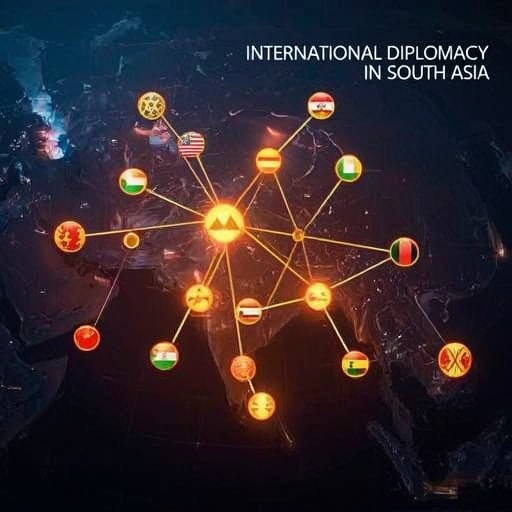
In the rapidly shifting geopolitical landscape shaped by the recent Iran conflict, Pakistan has stepped forward into an unexpectedly prominent diplomatic position, demonstrating a strategic agility that has elevated its global presence to levels unseen for many decades. Once perceived largely as a regional player with limited international sway, Pakistan has now redefined its role, acting not merely as an observer but as an active and influential mediator amidst one of the most consequential crises in the Middle East. This transformation highlights both the country’s evolving foreign policy ambitions and its readiness to assume a more assertive role in conversations surrounding peace and stability.
Throughout the conflict, Pakistan’s leadership displayed a deliberate balance between pragmatism and moral responsibility, emphasizing dialogue over confrontation and diplomacy over escalation. By engaging with key actors on all sides and promoting nuanced, carefully constructed communications, Islamabad managed to position itself as a crucial bridge between otherwise polarized powers. This approach not only earned Pakistan renewed international recognition but also illustrated how a state traditionally overshadowed by larger neighbors can rise to the forefront through adept diplomatic maneuvering.
Such a moment marks a profound inflection point in Pakistan’s modern history. For decades, the nation’s foreign policy had often been defined through the lens of regional security concerns or alliance politics. Today, however, through its constructive involvement in mitigating the Iran crisis, Pakistan has begun to shape a narrative centered on global responsibility, strategic trust-building, and impartial mediation. The ripple effects are far-reaching: its proactive stance signals maturity, foresight, and a reimagined sense of purpose in world affairs.
The international community has taken notice of this evolving posture. Commentators and analysts now view Pakistan as a stabilizing force within an increasingly fragmented region, capable of contributing to peace-building efforts that transcend its immediate borders. This diplomatic renaissance not only enhances Pakistan’s image abroad but also provides an internal reaffirmation of its capability to lead with credibility and restraint. As the dust settles on the Iran conflict, Pakistan’s newly solidified reputation as a mediator and peace advocate stands as a testament to how strategic engagement and thoughtful diplomacy can redefine a nation’s place on the world stage.
Ultimately, Pakistan’s growing influence illustrates a broader truth: that in times of crisis, nations that combine prudence with proactive diplomacy can reshape their destiny. The Iran conflict, challenging though it was, offered Pakistan an unparalleled opportunity to demonstrate wisdom and balance in the pursuit of stability. Its performance has carved out a more distinguished global profile—one that may very well set the tone for its foreign policy in years to come.
Sourse: https://www.bloomberg.com/news/articles/2026-06-20/pakistan-brokers-us-iran-peace-deal-boosting-its-global-status