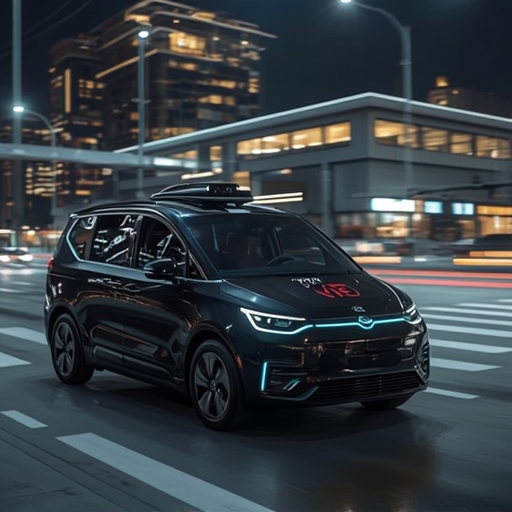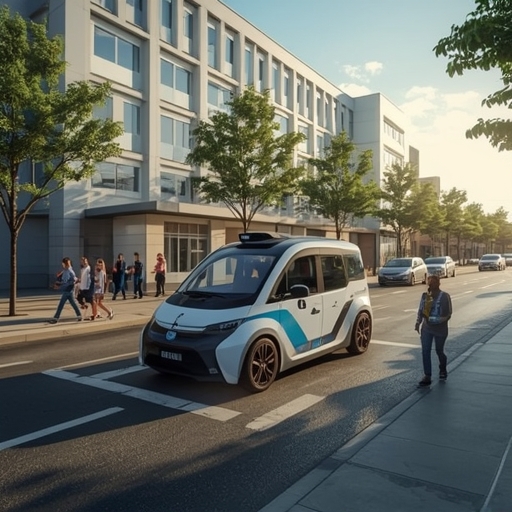
A growing number of parents are experimenting with what they see as the next logical step in technological convenience: allowing their children to be transported by Waymo’s autonomous taxis. The idea might sound futuristic, but in cities where Waymo operates, it has already become a quiet, if controversial, reality. While these self-driving vehicles are designed to operate safely without human drivers, using them for unaccompanied minors technically violates existing guidelines, making this practice a gray area that combines innovation with ethical and legal uncertainty.
For many parents, the motivation is clear. Between demanding work schedules, busy household routines, and traffic congestion that makes multiple daily trips to school or extracurricular activities exhausting, an autonomous ride service seems like a practical solution. In theory, Waymo’s state-of-the-art technology—based on advanced sensors, cameras, radar, and machine learning—offers precision and consistency that could rival or even surpass a cautious human driver. Some parents describe the appeal as similar to trusting a school bus or a trusted babysitter, only with added digital reliability and real-time monitoring.
Yet beneath the surface of this technological convenience lies a complex network of ethical, safety, and regulatory questions. Current transportation laws and company policies explicitly prohibit unaccompanied minors from traveling alone in these vehicles. The reason is not technological incapacity but accountability—there is currently no universally accepted legal framework assigning responsibility if something goes wrong. Questions of moral judgment also arise: Can an algorithm make context-sensitive decisions, such as how to respond if a child suddenly panics, becomes sick, or encounters an unexpected danger outside the car?
Furthermore, there is the intangible issue of trust. Even though Waymo’s vehicles have logged millions of miles with remarkable safety records, humans remain hesitant to surrender full control, especially when children are involved. Psychological comfort—the feeling of knowing someone is present and aware—still carries powerful emotional weight. It is one thing to allow a machine to drive an adult passenger who can intervene in an emergency, but entirely another to entrust it with a child who may not fully understand how to respond to an unfamiliar situation.
Nonetheless, supporters of autonomous mobility argue that such discomfort is part of every major technological transition. When elevators first became automated, or airplanes first relied heavily on autopilot, people were equally uneasy. Over time, consistent performance, transparency, and regulatory oversight built confidence. Advocates believe that if proper safeguards are implemented—like remote supervision by trained human operators, live communication links to parents, and child-specific safety protocols—the idea of driverless transportation for minors could become as normalized as sending children to school on a bus.
Still, society stands at a pivotal point in defining boundaries between convenience and caution. Are we prepared to rewrite rules that once assumed a human driver’s presence was nonnegotiable? Or do the unique vulnerabilities of children require a slower, more measured introduction of autonomy in family transportation? As technology progresses and public perception evolves, this conversation may determine not only how our children travel but also how we define responsibility in an age where artificial intelligence is trusted with human lives.
Sourse: https://www.businessinsider.com/waymo-robotaxis-for-children-parenting-personal-chaffeur-2026-1