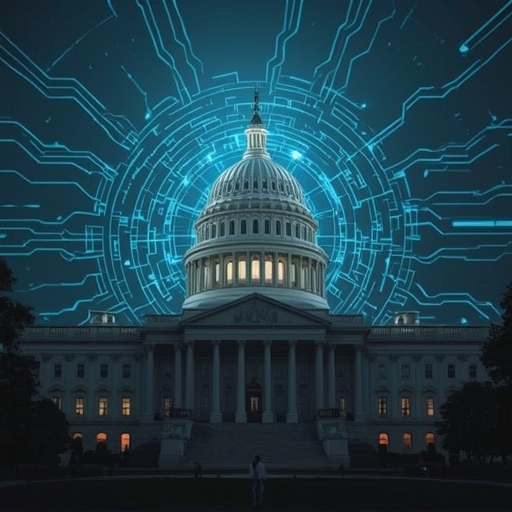
The ongoing legal conflict between Anthropic, one of the most prominent artificial intelligence firms, and the United States Department of Defense has reached a new and far more intricate stage. The Pentagon has issued a forceful statement rejecting the company’s claims and categorically defining Anthropic as a “substantial national security risk.” This characterization not only intensifies the disagreement but also reveals a much broader struggle over how technological freedom, government accountability, and defense imperatives intersect in an increasingly digitalized and AI-driven world.
Officials from the Pentagon contend that Anthropic’s refusal to comply with certain governmental requests around transparency and data-use policies goes beyond a legal technicality—it presents an immediate operational concern for national defense. By branding the company a potential threat, the Department of Defense underscores its position that artificial intelligence is no longer a neutral technological domain but rather a strategic asset requiring vigilant oversight. Such declarations aim to justify government intervention in cases where private innovation could, whether intentionally or inadvertently, create vulnerabilities that adversaries might exploit.
From Anthropic’s perspective, this rhetoric represents governmental overreach and a violation of corporate autonomy. The company’s lawsuit essentially argues that refusing a defense-related contract constitutes an exercise of ethical discretion and freedom of conscience, not an act incompatible with national security. Its leaders frame the conflict as a symbolic battle between open innovation and bureaucratic restriction—between the nurturing of technological creativity and the imposition of state-controlled limitations.
Beyond this particular dispute, the case functions as a prism through which broader societal anxieties surrounding artificial intelligence come into focus. Industry observers note that the Pentagon’s stance reveals a growing trend: as AI capabilities advance rapidly, governmental entities worldwide are moving to regulate or even constrain the private sector’s experimentation in areas deemed sensitive. Meanwhile, advocates of corporate independence argue that such interventions risk stifling progress and deterring ethical dialogue within tech firms that strive to self-regulate.
At stake is not merely a single contract or policy disagreement but the future framework for collaboration between private innovators and public institutions responsible for national defense. If the Pentagon prevails, it could establish a precedent permitting wider governmental scrutiny of AI companies that operate outside traditional defense channels. Should Anthropic succeed, however, the outcome might embolden other developers to resist similar interventions, reshaping how governments and technology providers negotiate questions of sovereignty, ethics, and security in the age of machine intelligence.
Ultimately, this controversy embodies the essential dilemma of twenty-first-century innovation: how to balance the exhilarating promise of artificial intelligence with the profound responsibility of protecting societies from its unintended consequences. Whether one views the Pentagon’s position as prudent caution or as an encroachment on technological freedom, the discussion it provokes will undeniably influence how nations conceptualize the boundaries of AI governance and the ethics of innovation in the years ahead.
Sourse: https://www.businessinsider.com/doj-argues-first-amendment-wont-protect-anthropic-contract-dispute-2026-3