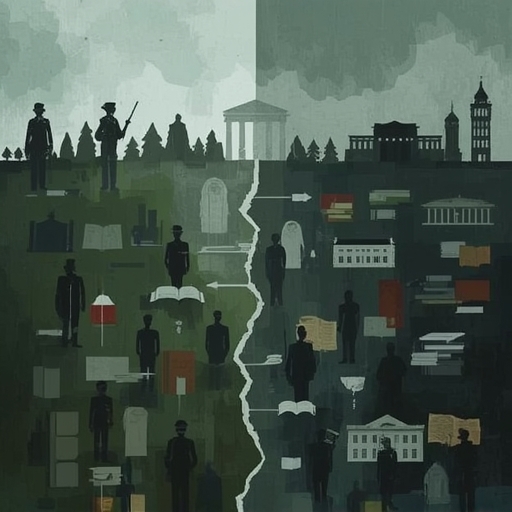
In a striking and highly consequential development, the Pentagon has broadened its policy restricting active-duty military personnel from enrolling in an increasing number of prestigious universities, extending these limitations far beyond the earlier focus on Harvard. This expansion signals not merely a procedural adjustment but rather a deeper and more complex transformation in the historical relationship between the nation’s defense establishment and elite centers of higher education. The decision underscores an emerging tension, suggesting that the institutions responsible for cultivating future leaders in service and those shaping academic excellence may be drifting apart in purpose, values, and collaboration.
The move provokes far-reaching questions about the nature of access, opportunity, and intellectual exchange between two realms that have historically intersected to produce dynamic thinkers, policymakers, and strategists. For generations, partnerships between the military and academia have served as cornerstones of innovation—bridging technical expertise with ethical and civic inquiry. Now, however, this expanding ban hints at a growing divergence driven by differing worldviews, cultural perspectives, and institutional priorities.
Observers note that such restrictions could considerably affect not only individual career trajectories but also the long-term development of leadership diversity within the armed forces. Elite academic environments have provided service members with advanced analytical tools, global networks, and exposure to a plurality of ideas essential for adapting to modern challenges. By limiting these opportunities, the Pentagon risks narrowing the intellectual pipeline that has traditionally strengthened both national defense strategy and civil-military understanding.
At the same time, the universities being restricted may interpret the Pentagon’s withdrawal as a commentary on the increasing ideological and cultural distance between government institutions and liberal education. This policy shift, therefore, resonates beyond administrative boundaries; it reflects the broader social discourse surrounding trust, inclusivity, and mutual respect between sectors critical to national and global progress.
Ultimately, this evolving divide invites a difficult but necessary dialogue. What principles should guide the intersection of service and scholarship? How can both sides rebuild an atmosphere of respect and cooperation without compromising institutional integrity or mission? Whether this rift widens or eventually heals will depend on the willingness of leaders—in both the military and academia—to recognize that national strength has always depended on intellectual openness, civic collaboration, and the ability to learn from diverse voices across every field of endeavor.
Sourse: https://www.businessinsider.com/pentagon-hegseth-order-cancels-military-attendance-more-top-universities-2026-2