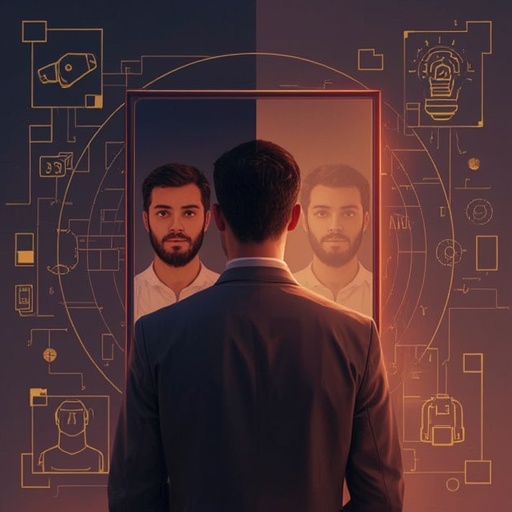
In the contemporary landscape where artificial intelligence increasingly influences every aspect of life, even the most seemingly insignificant personal decisions can have profound implications for how others perceive us. Consider something as simple and routine as choosing to shave or maintain a beard—what might appear to be a purely cosmetic preference can, in fact, alter the way colleagues, clients, or recruiters form judgments about professionalism, adaptability, or even personality. In an era propelled by algorithms, analytics, and instantaneous digital impressions, these subtle choices have become intertwined with how we express intent and authenticity in the workplace.
Perception has always been a cornerstone of human interaction, shaping trust, communication, and opportunity. Yet, in the rapidly evolving age of AI and technology-driven visibility, perception has grown both more nuanced and more potent. A single image on a professional networking profile or a brief appearance in an online meeting can leave a lasting impression that influences credibility and connection. One consultant, reflecting on his efforts to engage more meaningfully with hiring managers several decades younger than himself, decided to adjust his appearance to better align with their expectations of modernity and relevance. This modest act served not as superficial conformity but as a strategic acknowledgment that image can serve as an intelligent bridge between generations, signaling adaptability in a changing professional culture.
Today, every professional operates within this new dynamic equilibrium—where personal presentation meets technological mediation. The way we look, speak, and present ourselves online is filtered through AI algorithms designed to categorize and predict suitability, competence, or appeal. Therefore, awareness of these dynamics is not vanity but strategy. Managing perception, especially within industries reshaped by automation and innovation, requires authenticity balanced with intentional presentation. It invites us to question: what do our personal aesthetics, our tone of voice, or even our chosen profile photo communicate to an increasingly AI-mediated audience? In many ways, perception itself has become a skill, a disciplined form of emotional intelligence tailored for the digital age.
These reflections remind us that authenticity is not diminished by awareness of perception—it is deepened by it. To be conscious of how one is seen, without compromising who one truly is, represents the sophistication demanded by modern professional life. Whether it is a simple shave, a refreshed wardrobe, or a recalibrated digital presence, the essence remains the same: every choice is a narrative thread in the story we tell about ourselves. As AI accelerates and professional interactions become ever more filtered through data and images, understanding this delicate interplay between technology and human perception is no longer optional—it is essential for growth, connection, and enduring relevance.
Sourse: https://www.businessinsider.com/shaved-beard-ai-job-hiring-advice-2026-6