Over the course of thirty-nine exhilarating days, the city of Philadelphia transformed into the epicenter of a massive celebration devoted to the world’s most universally cherished sport—soccer. What began as an ambitious concept born out of six years of meticulous planning, fundraising, and community partnership evolved into what many affectionately dubbed “Soccer Coachella,” an extraordinary festival that attracted more than four hundred and twenty-five thousand enthusiastic fans. The scale of the event was astounding, but beyond the numbers, it embodied the city’s collective pride, energy, and cultural unity in a way few occasions ever could.
Philadelphia’s World Cup festival was far more than a sports-viewing event; it was a living, breathing testament to the city’s innovative spirit and its ability to turn communal passion into a transformative urban experience. Local organizers, city officials, and neighborhood groups worked hand in hand to create a public space that celebrated not only international football but also the rich, multicultural fabric of Philadelphia itself. Vendors, performers, and supporters from every corner of the city converged in celebration of both athletic excellence and shared identity, demonstrating that the game’s true power lies in its capacity to unite people across boundaries of language, background, and belief.
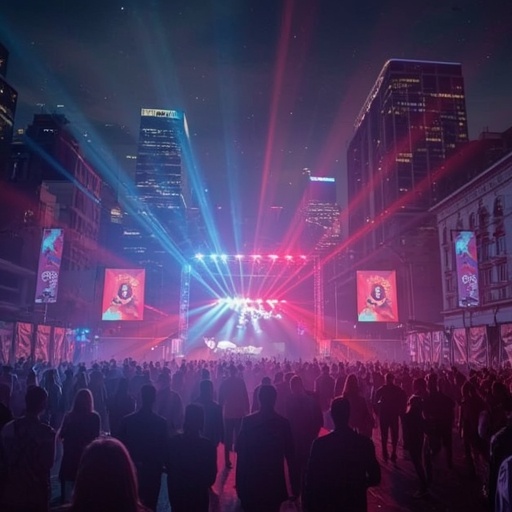
The festivities expanded across multiple public venues and open-air stages, each echoing with cheers, music, and laughter. Large screens broadcasted matches to crowds draped in the colors of their favorite teams, while local artists and food vendors infused the atmosphere with distinctly Philadelphia flavors. The event became a meeting ground where cultures collided harmoniously—European chants blending with South American rhythms, African drums mingling with the sounds of street performers, and families of every heritage savoring the joy of the moment.
What made the “Soccer Coachella” story truly remarkable was the perseverance behind it. Six years of preparation, community engagement, and resource coordination culminated in a festival that not only mirrored global enthusiasm for the World Cup but also reinforced Philadelphia’s reputation as a city that knows how to harness its civic energy for good. The partnership among non-profit organizations, small businesses, and city leaders ensured that accessibility remained at the forefront: admission was free, making the celebration genuinely inclusive and open to all.
As day turned into night, the city pulsed with renewed vitality. Towering buildings lit up in team colors, while spontaneous dance circles and street parades continued long after matches ended. Residents and tourists alike marveled at the sight of a metropolis unified not by geography or allegiance, but by the simple joy of shared experience.
In every sense, Philadelphia’s World Cup festival became more than an event—it became a statement of what is possible when vision, collaboration, and love for sport intersect. It showcased the heartbeat of a city where community pride is undefeated, proving that soccer, when embraced with such devotion, can transform urban life into something both magical and profoundly human.
Sourse: https://www.businessinsider.com/inside-philadelphia-fifa-fanfest-2026-7