Polestar’s abrupt withdrawal from the United States market represents far more than just a corporate strategy shift—it signifies a critical moment of reckoning for the entire electric vehicle ecosystem. The company’s decision, compelled by newly enacted American regulations targeting the use of Chinese-manufactured connected vehicle software, has abruptly severed its access to a key global market. This outcome underscores a widening intersection between technological innovation, national security policies, and the increasingly complex realities of global supply chains.
For consumers, the impact of this exit is tangible and immediate. Thousands of Polestar owners are now facing a degree of uncertainty surrounding the maintenance, service, and software support for their vehicles. The seamless user experience that once defined the brand’s Scandinavian minimalism and data-driven efficiency has been disrupted by geopolitical obstacles beyond the reach of everyday drivers. In effect, global trade policy has entered the garage—forcing car owners to confront how international politics can shape the practical ownership of advanced technology products.
At an industry level, this episode exposes the fragility of the current EV supply network, where hardware and software components are frequently developed, manufactured, or coded across multiple jurisdictions with differing political priorities. The American restrictions, designed to minimize dependence on technology linked to potential foreign surveillance or data security concerns, mirror similar protective stances emerging across Europe and Asia. The regulatory message is clear: transparency of data flows and provenance of code are no longer optional extras but foundational requisites for market access.
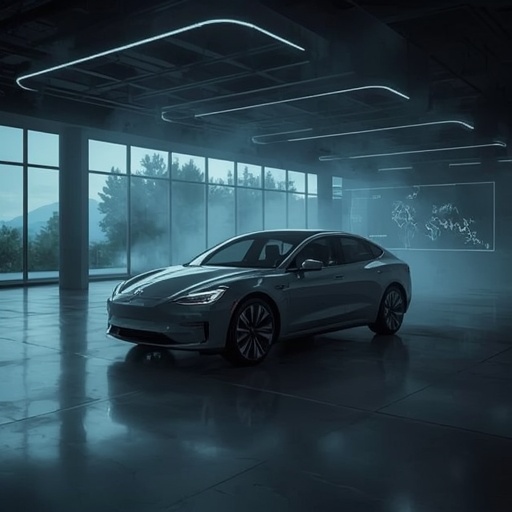
For Polestar, which prides itself on combining Swedish design philosophy with production efficiencies rooted in global collaboration, this decoupling of supply interests from market ambitions presents a profound identity challenge. Its sophisticated vehicles—praised for their sustainable manufacturing processes, sleek aerodynamics, and tightly integrated software architecture—now symbolize both the promise and the peril of globalized technology. The same interconnectedness that once fueled rapid innovation now renders certain business models unsustainable in politically tense climates.
The implications of this regulatory confrontation extend beyond Polestar itself. Other internationally composed EV brands, especially those with partnerships or component dependencies linked to Chinese technology providers, are watching closely. If connectivity regulations continue to tighten, we may witness an era of accelerated regionalization in the automotive sector, where software ecosystems, hardware sourcing, and even customer data infrastructures must be restructured to comply with differing national standards. This could slow deployment timelines, raise production costs, and challenge the affordability model upon which mass EV adoption depends.
At the heart of the story, though, lies a philosophical conflict between openness and sovereignty—between the desire for frictionless global innovation and the necessity of maintaining national control over data-driven infrastructure. As nations assert tighter boundaries around the digital dimension of mobility, automakers will increasingly be forced to operate as both industrial producers and geopolitical negotiators.
Polestar’s American exit, while abrupt, may one day be viewed as an instructive precursor to a broader restructuring of the EV landscape. Its experience illuminates how 21st-century transportation depends as much on secure and politically compliant code as on engineering excellence or environmental ambition. Where automobiles once embodied mechanical freedom, they now stand at the intersection of ethics, economics, and electronic governance.
In essence, the episode is a cautionary tale for both industry leaders and consumers: global innovation cannot exist in isolation from the political systems that sustain or restrict it. The future of electric mobility will belong to those capable of harmonizing technological elegance with geopolitical resilience—entities that can design not only cars but also confidence in the complex networks connecting them to the world.
Sourse: https://www.theverge.com/transportation/963399/polestar-owners-ban-dealers-service-warranty-lease