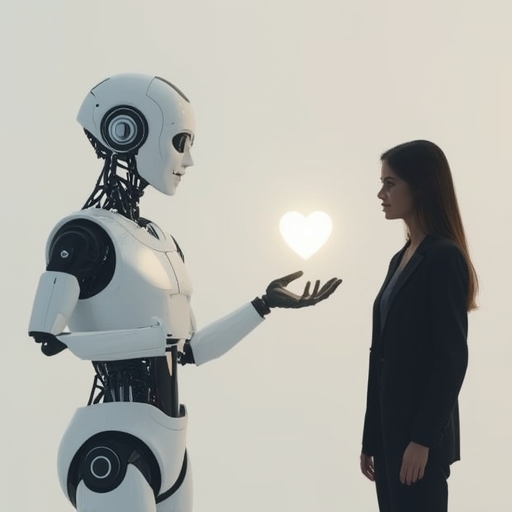
In a recent and thought-provoking statement, Pope Leo XIV issued a cautionary reflection on the rise of so-called ‘overly affectionate’ chatbots—artificial intelligence systems that imitate emotional warmth, familiarity, and even affection toward users. His message serves as a profound ethical reminder that while machines can process language and simulate empathy, they cannot truly experience or reciprocate human emotion. The pontiff’s warning invites society to pause and reconsider how far we allow intelligent systems to intrude upon the most intimate spaces of human interaction.
As AI evolves from mere functionality toward emotional simulation, the lines between genuine connection and artificial replication begin to blur. When a chatbot expresses care or compassion, it does so through data-driven pattern recognition, not through authentic feeling. Such interactions, though engaging, risk creating illusions of understanding and companionship that can distort emotional boundaries. Pope Leo XIV’s insight therefore underscores an ethical dichotomy: we may gain convenience, accessibility, and even comfort, but at the potential cost of authentic interpersonal connection.
The implications extend far beyond theology. In psychological terms, humans are naturally predisposed to respond to perceived empathy—whether from another person or from a machine engineered to mimic kindness. However, this reflexive trust can lead users to form attachments not to real people but to algorithms designed for engagement. This trend raises questions about emotional dependence, social isolation, and the commercialization of affection.
Ethicists have long debated the dangers of anthropomorphizing technology, and the Pope’s message amplifies these concerns. Should emotional AI be restrained by moral guidelines that preserve the integrity of human relationships? How do we ensure transparency, so that users understand they are communicating with code rather than consciousness? These questions are not merely philosophical—they carry tangible technological and societal weight.
Pope Leo XIV’s address ultimately calls for discernment and responsibility. Innovation should serve to enhance human dignity, not to mimic it. A machine’s display of empathy must never be mistaken for the moral depth and compassion unique to human beings. As we stand at the threshold of an increasingly intimate partnership between people and machines, his words urge us to cultivate ethical prudence. Technology, no matter how advanced, remains a tool—a mirror that should reflect our humanity, not a surrogate that replaces it. Real empathy, after all, is not programmed but lived, born of genuine understanding, mutual presence, and shared vulnerability.
In essence, the pontiff’s appeal reminds us that progress demands balance: artificial intelligence may simulate emotional intelligence, but it should never be permitted to redefine what it means to be truly human.
Sourse: https://www.businessinsider.com/pope-leo-ai-warning-overly-affectionate-personalized-chatbots-regulation-2026-1