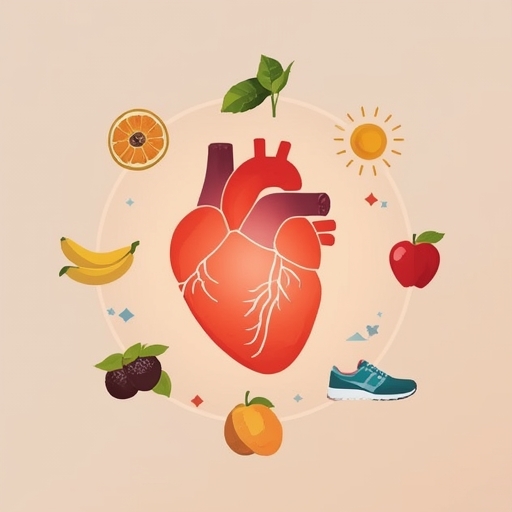
Heart disease is no longer an ailment confined to the later stages of life; it is increasingly being diagnosed among younger individuals across diverse regions and lifestyles. This unsettling trend underscores an urgent need to approach cardiovascular wellness as a lifelong endeavor that must begin far earlier than previously assumed. The underlying message is clear: meaningful prevention should not be deferred until symptoms emerge or age advances—it must be integrated into daily routines from early adulthood, or even before.
Although the statistics may appear concerning, the empowering reality is that heart disease is often preventable through conscious, achievable adjustments in how we live, eat, and manage stress. A balanced diet, for instance, serves as one of the most potent forms of defense against heart-related conditions. Prioritizing whole foods—rich in nutrients, antioxidants, and fiber—supports healthy cholesterol levels and reduces inflammation, both of which contribute directly to better cardiovascular outcomes. Choosing fresh vegetables, fruits, whole grains, lean proteins, and healthy fats over processed foods and excess sugars is not simply an act of abstinence; it is an investment in longevity and vitality.
Equally vital is regular physical activity. Incorporating exercise into one’s lifestyle—whether through structured routines such as running, cycling, or swimming, or by embracing everyday movement through activities like walking or taking the stairs—strengthens the heart, improves circulation, and regulates blood pressure. The cumulative effect of consistent movement extends beyond physical resilience, nurturing mental well-being, reducing anxiety, and enhancing overall quality of life.
Stress management also stands as a cornerstone of heart health that is too often undervalued in the modern pace of living. High-pressure work environments, digital overload, and insufficient rest can silently undermine cardiovascular stability. Practices such as meditation, yoga, mindful breathing, and maintaining meaningful social connections can counteract these pressures, bringing equilibrium to both body and mind.
Recent medical research has illuminated an alarming rise in heart disease among adults in their 20s, 30s, and 40s—a demographic once thought to be largely shielded from such afflictions. Leading cardiologists attribute this shift partly to sedentary behavior, poor diet, and chronic stress, yet they also highlight that proactive prevention remains remarkably effective. A few thoughtful modifications implemented steadily over time can lower risk dramatically.
Thus, the message is one of empowerment rather than fear: caring for your heart is not merely a medical recommendation, it is a form of self-respect. Whether through mindful eating, consistent exercise, or taking moments each day to decompress and breathe, each decision you make accumulates toward long-term health. Every small improvement compounds quietly, fortifying the most essential organ of all—the heart.
Ultimately, the path toward prevention requires awareness, education, and intention. By cultivating these habits early, individuals can reverse current trends and secure a stronger, healthier future. Your heart, after all, beats tirelessly for you; it deserves the same unwavering care in return.
Sourse: https://www.businessinsider.com/heart-disease-take-control-cardiovascular-heart-health-early-young-2026-1