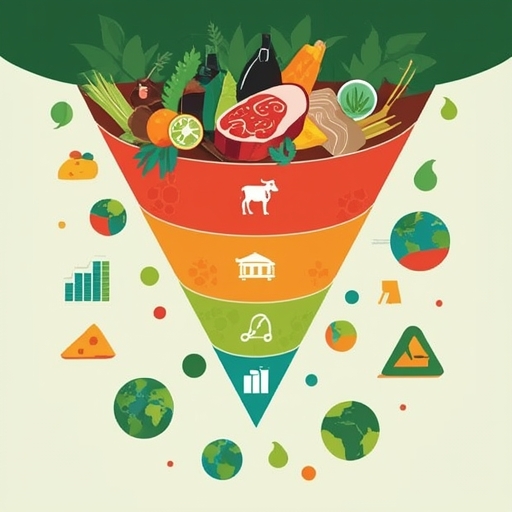
A newly introduced dietary framework known as the ‘protein-first’ food pyramid has swiftly attracted both popular attention and professional scrutiny. At first glance, this revised nutritional model appears to celebrate the primacy of protein as an essential macronutrient, giving unprecedented prominence to foods such as meat, dairy, and other animal-derived sources. Proponents argue that such a focus encourages balanced nutrition, improved muscle maintenance, and greater satiety, particularly in lifestyles that emphasize fitness and high physical performance. Yet, behind the glossy presentation of health benefits lies a growing chorus of environmental concern.
Critics from both nutritional science and climate policy backgrounds have raised fundamental questions about the broader repercussions of such protein-heavy recommendations. In emphasizing animal-based products, the pyramid inadvertently links dietary behavior with significant ecological costs — namely, increased greenhouse gas emissions, resource-intensive livestock production, and elevated water consumption. The global livestock industry, already known for its substantial carbon footprint, could see further expansion if such guidance becomes widely accepted. Consequently, what begins as a public health initiative could simultaneously amplify environmental degradation, soil depletion, and biodiversity loss.
These concerns bring to light an essential intersection between two of society’s most pressing goals: optimizing human health while safeguarding planetary sustainability. The scientific community increasingly recognizes that nutrition cannot be viewed in isolation from ecological realities. A holistic framework for dietary guidance must account for both immediate wellness outcomes and the long-term environmental resilience of the food systems that sustain us. For example, shifting emphasis toward plant-based proteins — lentils, beans, nuts, and soy-derived foods — may offer a middle path: maintaining nutritional adequacy while markedly reducing environmental strain.
This debate extends far beyond professional health circles and into the public arena, challenging governments, institutions, and consumers alike to reconcile their values at the dinner table. Should official nutrition guidelines integrate sustainability metrics alongside traditional health indicators? Or should dietary policies remain focused solely on biochemical and physiological criteria, leaving ecological responsibility to other sectors of governance? The tension between individual health optimization and collective environmental stewardship continues to intensify as populations grow and food demand accelerates.
Ultimately, the ‘protein-first’ food pyramid serves as a vivid reminder of the intricate ties that bind human well-being to ecological balance. Its emergence compels society to reevaluate the metrics of healthy eating — not only in terms of calories and nutrients, but also in carbon, water, and land footprints. In doing so, it invites a more enlightened vision of nutrition: one that aspires to nourish both people and the planet with equal care and foresight.
Sourse: https://www.theverge.com/report/861326/meat-food-pyramid-protein-nutrition-guideline-climate-beef-whole-milk-tallow