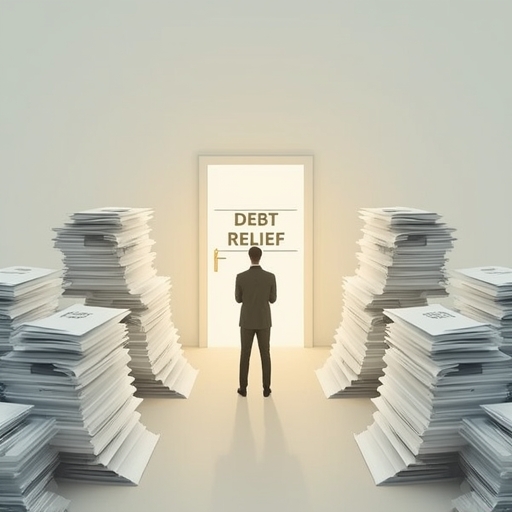
Across the nation, a growing number of public service professionals—teachers, nurses, emergency responders, and countless other community servants—are confronting deepening challenges as they attempt to secure relief through the Public Service Loan Forgiveness (PSLF) program. Originally designed as a pathway to financial stability for those who dedicate their careers to serving others, the program has instead become, for many, a maze of bureaucratic obstacles, extended waiting periods, and narrowing eligibility criteria. Each passing month seems to bring an increase in paperwork and procedural complexity, making it ever harder for qualified individuals to receive the debt cancellation they were promised.
At the heart of this issue lies a troubling paradox: the very system intended to support and reward these workers for their societal contributions often undermines them through inefficiency and inconsistency. Applicants routinely find themselves entangled in multi-year administrative delays, facing unclear guidelines or sudden policy revisions that leave them unsure about their standing. For educators burdened by large student loans, healthcare providers in underserved areas, and social workers offering critical community resources, the impact is not merely financial—it is emotional and generational. The weight of prolonged indebtedness discourages many from continuing in public-oriented roles, driving some to abandon careers that form the backbone of essential services.
The diminishing accessibility of relief options further amplifies the problem. Recent shifts in program structure and eligibility reviews have left borrowers wary, wondering whether previously counted payments or credentials now qualify under new interpretations. Each deferred resolution carries tangible consequences: delayed home ownership, postponed retirement, and mounting anxiety over financial futures that never seem to stabilize.
Ultimately, these expanding roadblocks point to a vital need for reform that goes beyond administrative fine-tuning. Public servants deserve not only gratitude but a system that honors their commitment with clarity, transparency, and efficiency. Creating a streamlined, equitable debt forgiveness process would reaffirm societal investment in education, healthcare, and civic service. Until such reforms are enacted, dedicated workers across the public sector will continue to stand at the intersection of hope and frustration—striving to serve others while struggling under the very financial burdens forgiveness was meant to remove.
Sourse: https://www.businessinsider.com/student-loan-borrowers-public-service-pslf-debt-relief-backlog-buybacks-2026-2