In the months that followed my divorce, I began the daunting process of searching for a new place to live. Every rental I visited seemed vast and echoing, a stretch of empty rooms waiting to be filled not only with furniture but with a future for my daughters and me. The expansiveness of those spaces felt both liberating and intimidating—an open canvas for reinvention and, at the same time, a glaring reminder of everything I had yet to rebuild. Yet, when I finally stumbled upon what felt like the perfect home, something stirred inside me, a quiet conviction that it was time to begin anew. Despite the fear of too much space and too few belongings, I craved the opportunity to create a home—a place that was ours again. I thought about potential rather than lack, signed the lease, and allowed myself to imagine what life might look like here. Nestled in a tranquil neighborhood shaded by mature trees, with a backyard dappled in soft light, the house seemed to promise serenity. I pictured mornings greeted by birdsong and evenings wrapped in stillness, a gentle refuge for all of us.
Like so many beginning again after major change, I did not own even the most basic household essentials for move-in day. We had just come from a year spent in a fully furnished extended-stay villa—a cocoon of rental comfort that had sheltered us during our transition. It was, ironically, a hotel property, and although never intended to be permanent, it held a certain charm that helped distract us from uncertainty. The resort’s amenities became our temporary playground: hammocks stretched beside the pool, impromptu tennis matches under soft winter sun, swings that overlooked a manicured golf course, and a secluded hiking trail that offered a quiet escape when emotions needed untangling. We leaned into the whimsical novelty of it all. We swam in the December chill, we attended festive hotel holiday events, and we pretended that the transience was an adventure. Beneath the surface, though, I knew I was living in a holding pattern—a beautiful, borrowed reality rather than a foundation.
Professionally, the irony deepened. I worked in destination marketing, crafting stories about travel and hospitality, and often met visiting writers right there in the hotel lobby that temporarily passed as my own. By day, I sold the idea of escape; by night, I returned to my furnished suite, hung Christmas stockings below a hotel-issued television set to a scheduled program, and reminded myself to smile through the strangeness of it all. It wasn’t truly home, but it reignited my appreciation for hospitality and the power of place. Even spaces meant to be temporary can, for a time, feel extraordinary.
When the time came to move into our new house, I yearned for permanence—something authentically ours. I wanted a space that reflected our history, our resilience, and the direction we were headed. Yet standing in 2,500 square feet of nearly empty rooms reminded me how fragile beginnings can feel. So, nervously, I reached out for help in the most modern way available: through my local Buy Nothing group on Facebook. With the blessing of one of the administrators, I wrote a post titled “Divorce & Moving Registry.” In it, I detailed the essentials I still lacked—a sofa that could anchor the living room, a dining table where laughter could gather, lamps to cast warmth over evening conversations, mirrors and dressers to bring order out of chaos, even pragmatic items like a snow shovel and moving boxes. It happened to be Giving Tuesday, just weeks before Christmas, a time when generosity and goodwill seemed to drift more freely through communities.
The act of posting was an exercise in vulnerability. Only a year before, I had been the quintessential PTA leader and ever-cheerful tennis mom—outwardly composed, sharing curated moments of happiness on social media. To publicly admit that I was starting from scratch, that I had lost nearly all our household possessions, felt like stripping away the glossy façade I had so carefully maintained. I worried about how people I once knew might perceive me—perhaps as diminished or dependent. I hit ‘post’ expecting little.
But what happened next transcended every expectation. My community—many of them strangers, others acquaintances who had once only nodded in passing—began to respond, one message at a time. People offered pieces of their lives to help fill ours. A nearby neighbor offered a sturdy wooden dining table and matching chairs, the kind that seemed designed for family gatherings. Once sanded and coated in fresh black paint, it became the center of our daily rhythm. Another mother reached out privately with a spacious leather sectional and a matching coffee table, perfect for the basement where my daughters now lounge and watch movies. A generous real estate agent contributed wall art she no longer used for staging, complete with thoughtful advice on how to add personalized touches.
Then came a piece that felt almost destined: a bold, vintage cabinet in shades of blue-green, accented by woven baskets—equal parts rustic and spirited. Nearly a dozen people had expressed interest in it, yet somehow it found its way to us. That striking cabinet became the cheerful punctuation mark in our dining area, embodying the spirit of renewal that had carried us this far.
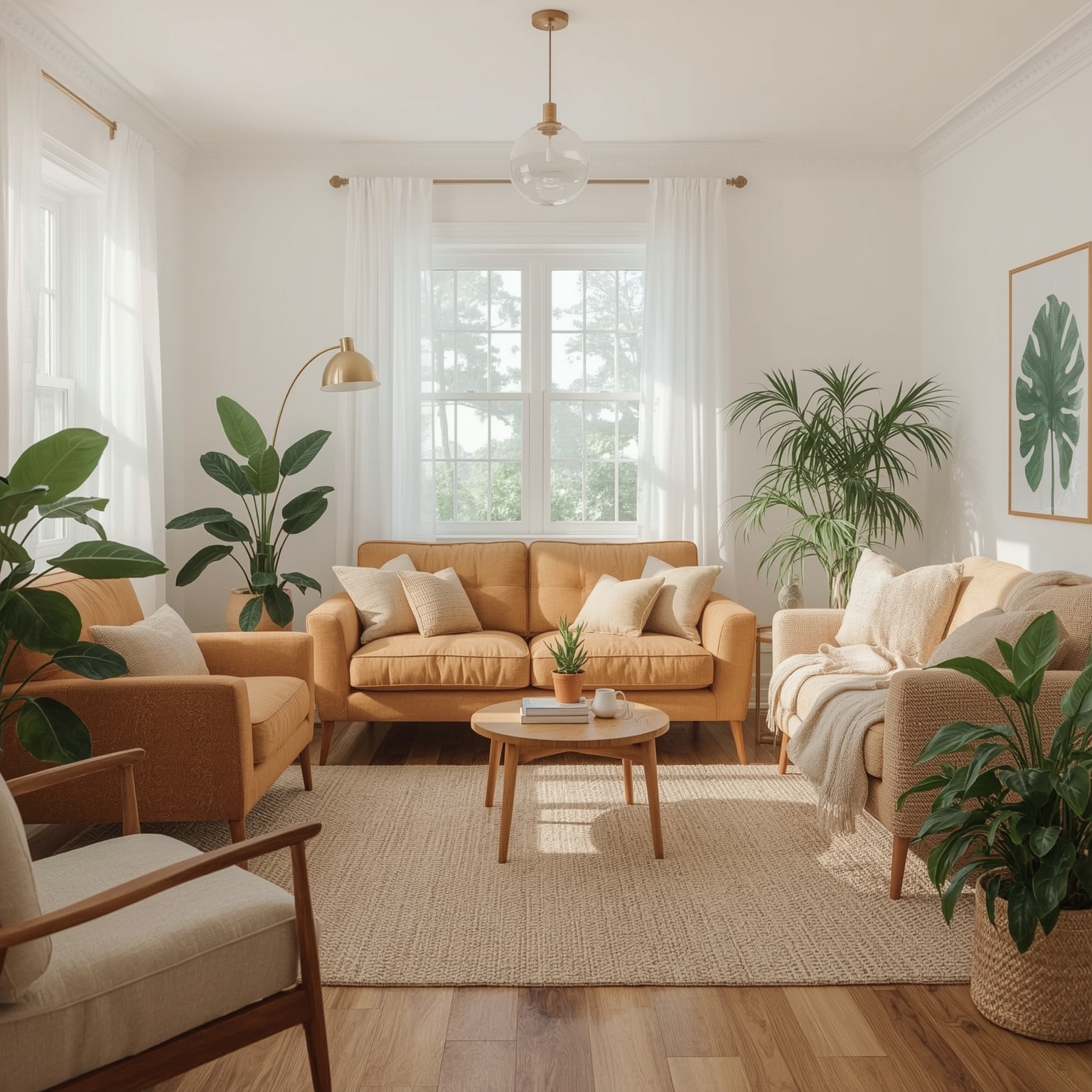
Gradually, the once-empty rooms transformed. They began to breathe. The mixture of worn textures, soft fabrics, thrifted tables, and modern light fixtures gave our home a layered warmth no store could replicate. The décor became a vibrant tapestry of secondhand treasures, each one holding a whisper of a story. I noticed how my mindset had evolved; in earlier years, I might have dismissed these imperfect pieces while chasing contemporary trends or brand names. Now, those very imperfections spoke to me—signs of endurance, of care, of history. I no longer equated worth with cost. Pride emerged from creativity, not commerce.
If I had chosen to buy all new furnishings and hire movers, the cost easily would have exceeded $8,000—money better spent building our new foundation. Yet what I gained was far richer than financial savings. For the first time since the divorce, I felt true ownership—not only of a house but of my story and my journey forward.
We moved in on New Year’s Day, marking the beginning of more than one kind of chapter. I purchased only the necessities: mattresses, silverware, a coffee maker. Almost everything else—from the wine glasses on our shelves to the patio furniture that now holds summer evenings—was gifted by the community. Despite its eclectic origins, our home doesn’t feel secondhand. It feels deeply personal, imbued with meaning and gratitude.
Now, we cook together in our kitchen, shovel snow from the steps in our shared rhythm, and entertain friends in a living room defined by its mismatched yet harmonious charm. There are no mass-produced resort prints or sterile temporary walls anymore. Instead, there’s artwork we’ve chosen, textures that feel honest under our fingertips, and a pervasive sense that this is, finally, home.
I am acutely aware that not everyone has access to a network as generous as my local Buy Nothing group. Many, like me earlier, hesitate to ask for what they need, out of pride or fear of judgment. But if there is one truth my experience revealed, it is that the essence of home cannot be measured by the uniformity of furniture or the perfection of design. A real home is constructed from intention, creativity, and community spirit. Sometimes, the act of simply reaching out—of making one sincere request in a humble online post—is enough to open doors to kindness, generosity, and the astonishing realization that help is closer than you ever imagined.
Sourse: https://www.businessinsider.com/how-i-rebuilt-home-after-divorce-using-buy-nothing-group-2025-10