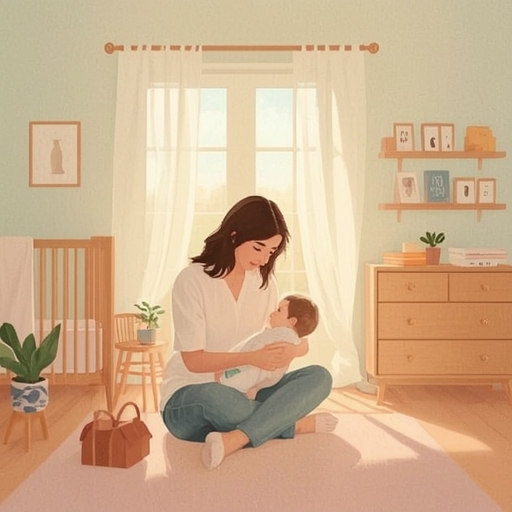
The very first time my daughter, still months away from turning one, instinctively shook her head and pushed her tiny hands forward to ward off an oncoming hug from relatives, the room erupted into laughter. Everyone present treated it as an amusing, harmless moment — the kind of fleeting defiance people assume children will simply outgrow. Yet what they did not perceive was that, even at such a tender age, I was already teaching her something deeply fundamental: that she possesses an inherent right to choose. This was a privilege I never had as a child, and imparting that lesson early felt sacred.
When I think back to my own childhood, every family gathering followed a well-rehearsed pattern. The instant I stepped through my grandparents’ front door, I would be greeted by an enveloping swirl of aromas — steaming tamales, roasted turkey, perfectly seasoned rice — the gastronomic embodiment of our Mexican-American heritage mingling in warm, fragrant harmony. Laughter echoed from the kitchen, voices overlapped, and cousins ran between adults balancing platters. Despite the joy such scenes promised, I always braced myself for what came next: the ritual of greeting.
My small shoulders would tense, and I would tread cautiously across the living room, scanning the crowded space for unfamiliar faces — distant relatives or my grandmother’s friends who had dropped by to sample the feast. A courteous smile or a timid wave, gestures that felt natural to me, were never enough. In our community, they were considered impolite, even dismissive. But to a child, being expected to embrace strangers felt uncomfortable, if not bewildering. The moment I hesitated, an insistent nudge between my shoulder blades would come, accompanied by a chorus of well-meaning adults urging, “¡Saluda!” That single exclamation carried weight — a command to demonstrate respect by hugging and kissing every adult in attendance.
As the years unfolded, my reluctance shifted from mild embarrassment to something more profound. I came to understand that it was not merely about my aversion to hugging unfamiliar people; it was about the dawning recognition that my personal boundaries simply did not matter. The message was clear: manners and compliance outweighed comfort. Today, as a mother, I have chosen a different legacy. My daughter will know that her voice, no matter how small, deserves to be heard.
In 2020, the year my daughter was born, the world seemed to reset itself. Becoming a first-time mother already demanded endurance — navigating postpartum recovery, unpredictable emotions, and restless nights — but the sudden sweep of the pandemic amplified everything. Our days blurred together in isolation, and protecting my newborn from potential illness became a relentless focus. Yet even in that uncertainty, technology bridged the gap. Through glowing screens, she babbled and smiled at the faces of grandparents, aunts, and uncles, forging emotional connections that blossomed despite physical distance.
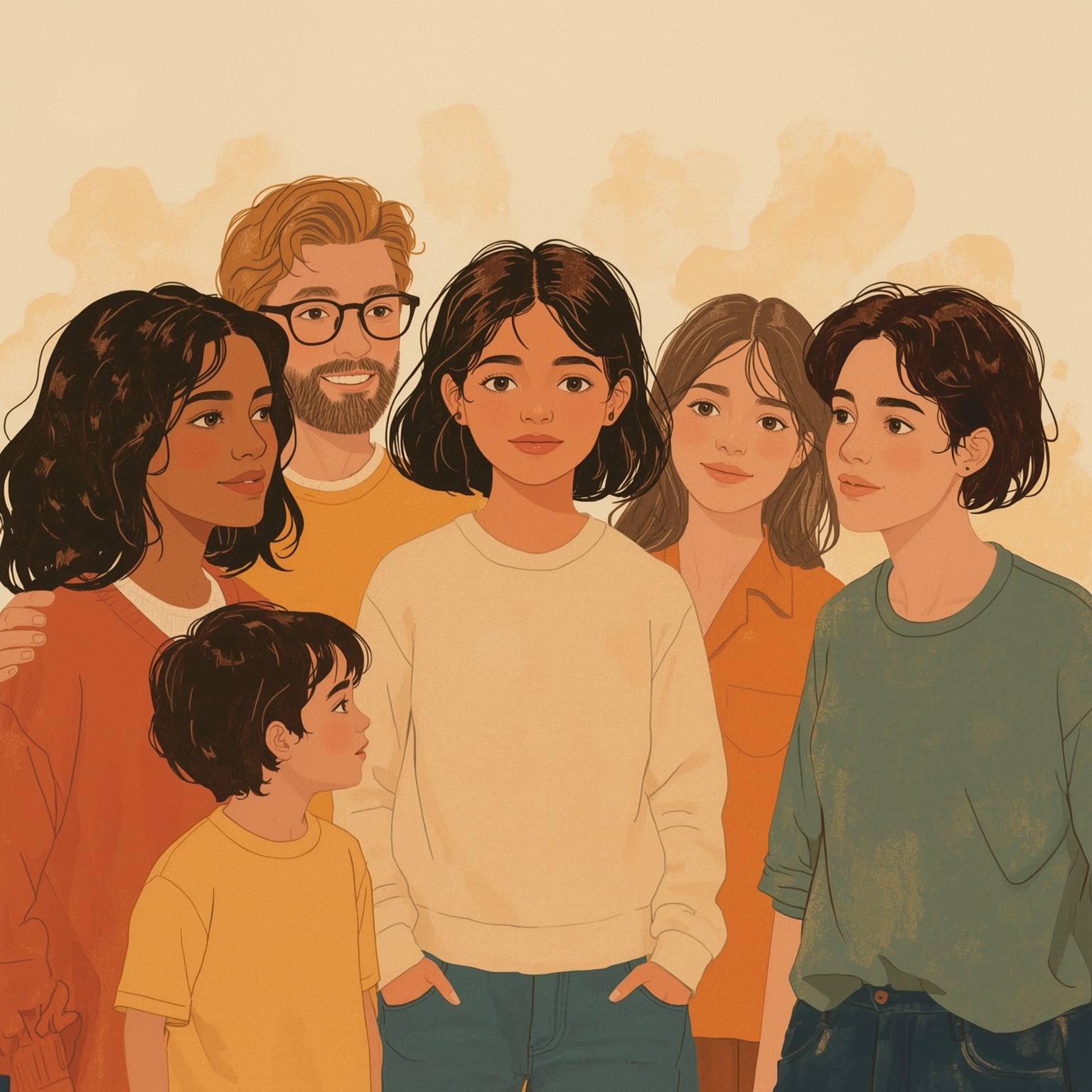
Months later, when it was finally safe enough for us to reunite, anticipation filled the air. I remember walking through the doorway, my daughter in my arms, to find our kitchen lined with beloved elders — the matriarchs and patriarchs who had been waiting impatiently for this moment. Their eyes sparkled, their smiles widened, and for them, the long-awaited day had come when they could finally pinch her round cheeks, smother her with kisses, and hold her close. Arms reached out in eager welcome. Baby talk and laughter swirled around us like music. But my daughter froze. Her small fingers gripped my hair tightly, clutching my collar, and she released a startled wail that silenced the room.
A collective sigh rippled through my family. No one had ever been refused affection by a one-year-old before. Some took hesitant steps forward, believing that proximity might soothe her fears. Instead, her cries intensified. Disappointment set in; outstretched arms lowered, warm smiles faded into uneasy frowns. Soon began the gentle persuasion so common among our elders — a well-intentioned blend of affection and emotional pressure. One relative offered a doll as a bribe, promising sadness if no hug was given. Another leaned closer, cooing, “Don’t you love me? I really love you!” And though every word came from sincerity and tenderness, I felt a familiar knot forming inside me — a reminder of all the times I had been urged to ignore my own discomfort.
So I knelt slightly, met my daughter’s tearful eyes, and spoke softly: “It’s all right, you can stay with me.” At that, her tense little body melted against my chest, her grip eased, and she exhaled a deep sigh of relief, the kind of breath that comes when safety is finally felt. Around us, the energy shifted. The adults watched, some puzzled, some contemplative. I turned to my aunts and uncles, my heart fluttering with a fragile mix of nervousness and resolve. I explained gently that she would warm up in her own time, in her own way — that affection, when freely given, holds greater meaning than any gesture born of expectation.
That small moment opened the door to a larger conversation my family had never engaged in before. I spoke of the difference between respect as they had been taught — equated with obedience and physical courtesy — and respect as I now understood it, rooted in self-awareness and mutual choice. I explained that what earlier generations perceived as defiance, mine now interprets as an expression of self-respect. It was not rebellion; it was evolution.
Over time, change took root. Our gatherings continued as they always had — filled with food, laughter, and shared stories — but the emotional atmosphere felt lighter. My daughter, now older, began to decide for herself how to greet the people she loves. Some days she would sprint toward her grandparents, arms wide, laughter bubbling as she wrapped herself around their necks. Other days, she would breeze past them with a cheerful “hi!” before diving onto the couch, perfectly comfortable in her own rhythm. And gradually, the tension that once hung in those moments dissolved.
Where once there had been mild disapproval or playful reprimands — “Are you going to let her get away without giving me a hug?” — there were now words of understanding: “That’s okay, I’ll be here when she’s ready.” The transformation might seem small, but it carries immense weight. It signals a family learning that love and respect manifest in countless ways beyond physical affection. Sometimes, genuine warmth looks like giving space; sometimes, it means waiting patiently rather than insisting.
Through these years, my family and I have collectively redefined what connection looks like. I have come to see that old customs need not be rejected to make room for new wisdom — they can coexist, harmoniously adapted for a generation striving to nurture both heritage and humanity. And as I watch my daughter navigate her relationships with confidence and autonomy, I realize that this is a tradition worth preserving. Respect and love have not vanished from our gatherings; they have simply evolved into deeper, more mindful forms. That, more than any inherited ritual, is the legacy I want to pass down.
Sourse: https://www.businessinsider.com/mom-let-kids-reject-hugs-boomer-relatives-offended-2025-11