In the most recent and much-debated installment of *House of the Dragon*, audiences witnessed a deliberate and thought-provoking reconfiguration of George R.R. Martin’s rich narrative tapestry from *Fire & Blood*. In a bold act of creative reinterpretation, the series grants Rhaena Targaryen a storyline that historically, within the original lore, belonged to the character of Nettles — a fascinating deviation that not only alters established mythos but also deepens exploration of Targaryen identity and dragon-human connection.
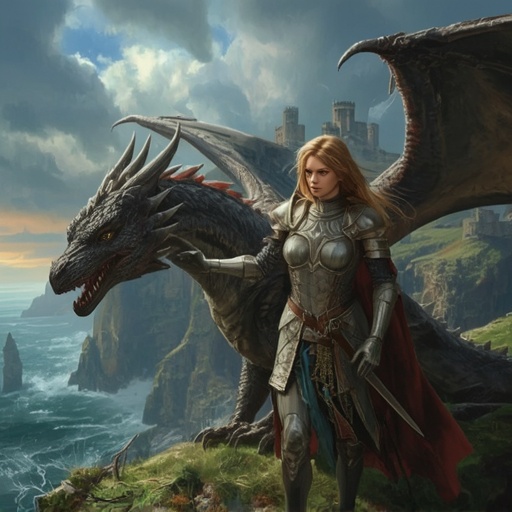
Rather than portraying Nettles as the one who tames the elusive and notoriously untamable Sheepstealer, the adaptation channels this act of courage and instinctive harmony with dragons through the person of Rhaena. This decision, while rooted in artistic license, serves multiple narrative purposes: it allows the show to expand Rhaena’s arc, offering her new dimensions of complexity and agency, and simultaneously reshapes internal Targaryen dynamics, casting light on the ever-fluid nature of legacy, succession, and power in Westeros.
What may initially appear as a simple character substitution evolves, upon reflection, into a compelling case study in adaptation theory. By transferring this symbolic act of dragon-taming — an emblem of affinity between human spirit and the primordial, uncontrollable essence of Valyria — the showrunners have crafted a reinterpretation that both honors and challenges Martin’s source material. It underscores how each retelling, whether on page or screen, becomes subject to context, medium, and the interpretive imagination of new creators.
From a storytelling perspective, this reallocation enhances the visual and emotional intensity of the series. Rhaena’s bond with Sheepstealer, the creature once defined by its feral resistance, introduces a thematic resonance that reflects both her isolation and persistence within a brutal world of dynastic expectation. The scene functions not merely as spectacle but as a dialogue between adaptation and canon — between fidelity to lore and the necessity of cinematic evolution.
Fans, however, remain divided. Some laud the alteration for enriching Rhaena’s role and strengthening female representation within the Targaryen lineage, while others argue that removing Nettles’ defining moment compromises the diversity and nuance of the original narrative. This tension between authenticity and innovation mirrors a larger conversation at the heart of modern television adaptations: must faithfulness to the written word prevail, or is transformation intrinsic to the process of storytelling across mediums?
Ultimately, whether this creative shift is viewed as an enhancement or a departure, it reaffirms *House of the Dragon’s* ambition to reinterpret Martin’s epic mythology with cinematic grandeur and psychological depth. Rhaena’s claiming of Sheepstealer thus becomes more than a plot twist — it stands as a metaphor for the adaptive spirit of the series itself, daring to wield both reverence and reinvention in equal measure.
Sourse: https://www.businessinsider.com/why-isnt-nettles-in-house-of-the-dragon-rhaena-sheepstealer-book