Coffee has increasingly evolved into one of America’s most cherished daily rituals, a reflection of both cultural identity and shifting consumer preferences. According to data collected by the National Coffee Association, roughly two-thirds—approximately 66%—of American adults now consume coffee on a daily basis. This marks a notable 7% increase since 2020, highlighting how deeply the beverage has entrenched itself in both the personal routines and social fabric of the nation. Whether enjoyed in bustling cafés, at drive-through windows, or brewed meticulously at home, coffee has transcended mere consumption to become a pastime embedded in American life.
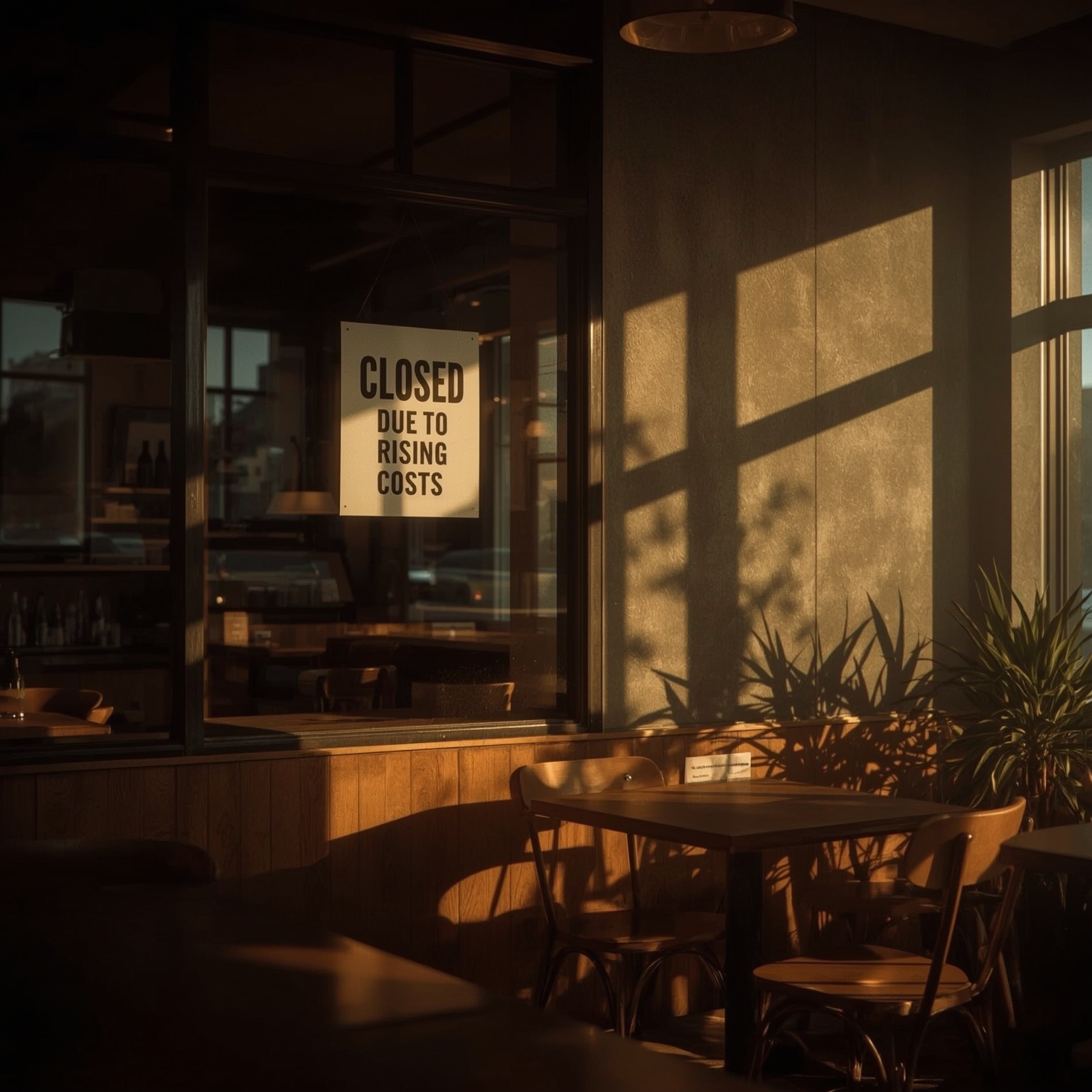
Yet despite this enduring affection, the landscape of the coffee industry is currently facing considerable turbulence. Coffee shops, once heralded as thriving social and economic centers in local communities, now find themselves under escalating pressure as a result of soaring operational costs and intensifying competition. Even the most dominant players are not immune to these challenges. Starbucks—the Seattle-based coffee titan and the largest coffee chain in the United States—recently acknowledged the strain by announcing a significant corporate downsizing and operational contraction. In September, the company revealed that approximately 900 non-retail positions would be eliminated and that around 1% of its North American stores would close their doors, citing declining same-store sales as a primary factor. Such measures underscore that financial headwinds are sweeping across all tiers of the market, from independent cafés to multinational giants.
The financial turbulence extends beyond Starbucks to smaller, more niche brands. In a recent and telling example, The Blend Coffee and Cocktails, a Florida-based chain known for its playful innovation—ranging from distinctive, experimental flavor combinations to photogenic “coffee flights” designed to captivate social media audiences—filed for Chapter 11 bankruptcy protection in federal court. Despite the filing, which typically signals serious financial distress, the company intends to continue operations while reorganizing and attempting to stabilize its financial position under court supervision. The company’s legal representative declined to comment on the circumstances leading to the consolidated bankruptcy proceedings, but court records revealed an extensive roster of creditors, including landlords, suppliers, and government tax agencies.
This case is emblematic of a broader national pattern: business bankruptcies have been steadily increasing across the United States since 2021. The combination of tightening credit markets, higher borrowing costs, and escalating operating expenses has left many small and midsize enterprises vulnerable. Data provided by Epiq AACER indicates that business bankruptcies rose by 7% in the last month compared with the same period a year ago, while filings among small businesses jumped a striking 35%. These statistics illuminate mounting financial strain across sectors, though brick-and-mortar retail and hospitality have been among the most heavily impacted.
Among the burdens weighing most heavily on coffee businesses is the surge in raw material costs, particularly the remarkable escalation in coffee bean prices. According to figures from the St. Louis Federal Reserve, the average retail price of ground coffee in September doubled in comparison to 2020 levels, exceeding $9 per pound. This sharp increase can be traced to a series of interconnected global forces. On the supply side, environmental factors—most notably prolonged droughts in Brazil, the world’s largest producer responsible for roughly 40% of global coffee output—have severely constrained harvests and disrupted supply chains. Additional pressures stem from lingering trade policies such as tariffs introduced during President Donald Trump’s administration, which have curtailed the availability of imported beans entering the U.S. market. Compounding these pressures are rising labor expenses, a challenge highlighted by the National Restaurant Association, which reports substantial wage increases affecting the entire food-service industry.
The cascading effects of these economic difficulties have already translated into a wave of insolvencies among both regional and local coffee chains since 2024, a year that saw coffee prices begin to accelerate at unprecedented speed. Though several companies have sought bankruptcy protection, most continue to operate under restructuring plans designed to preserve jobs and community presence while reorganizing their debts.
For instance, The Blend Coffee and Cocktails, which maintains eight locations throughout Florida, officially sought Chapter 11 protection in November. Similarly, Cuppa Austin Coffee Shop, a single-location café based in Austin, Texas, filed under the same legal framework a month earlier, through its parent company. On the West Coast, Red Bay Coffee, a socially conscious brand operating seven Bay Area cafés, filed for Chapter 11 protection in August 2024, reflecting the strain even on businesses with strong community and sustainability missions. Around the same time, Colorado saw two notable filings: Switchback Coffee Roasters, with two stores, and Ink! Coffee, which runs four locations, both entered bankruptcy proceedings during mid-2024 as cost pressures became unsustainable.
The cumulative picture that emerges is one of an industry caught at a crossroads. Coffee remains beloved and ubiquitous, yet financial realities—ranging from supply chain disruption to inflation and labor costs—have redefined what it takes to survive in an increasingly unforgiving marketplace. The rising tide of bankruptcy filings among small and mid-sized coffee firms illustrates a crucial paradox: even as demand endures, profitability and stability have become harder than ever to maintain. For both entrepreneurs and customers alike, the current coffee economy serves as a sobering reminder that passion alone is not enough to sustain a business when global forces conspire to change the economics of every cup.
Sourse: https://www.businessinsider.com/coffee-shops-filed-for-bankruptcy-amid-rising-prices-2025-11


