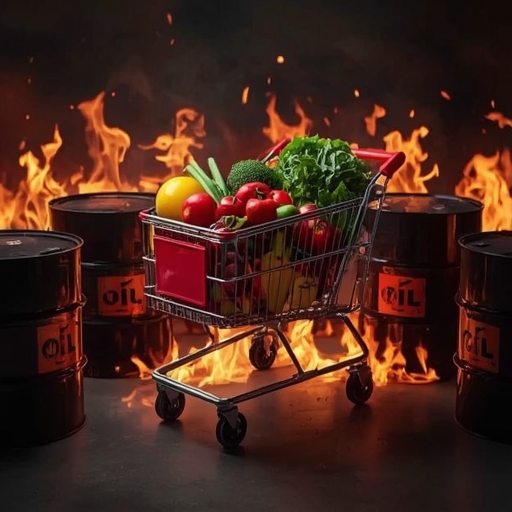
Across the globe, the ramifications of the ongoing conflict involving Iran are becoming increasingly visible—not only in political spheres but also in the cost of day‑to‑day essentials that fill our homes and dining tables. As geopolitical instability intensifies, global energy markets react with extreme volatility, propelling fuel prices upward at a pace unseen in recent years. This escalation in fuel costs has a direct and far‑reaching impact on the transportation and distribution networks that sustain international trade, particularly those tied to perishable goods such as fruits, vegetables, and other fresh produce.
In practical terms, every shipment of produce now incurs higher logistical expenses. Trucks, cargo ships, and air freight all depend heavily on fuel, making the movement of goods markedly more expensive. These rising costs cascade through every stage of the supply chain—from the farms and producers who must cover increased operational outlays, to the distributors and retailers struggling to maintain profit margins without losing customers. The result is a sharp uptick in retail prices, evident on grocery store shelves and in local markets worldwide.
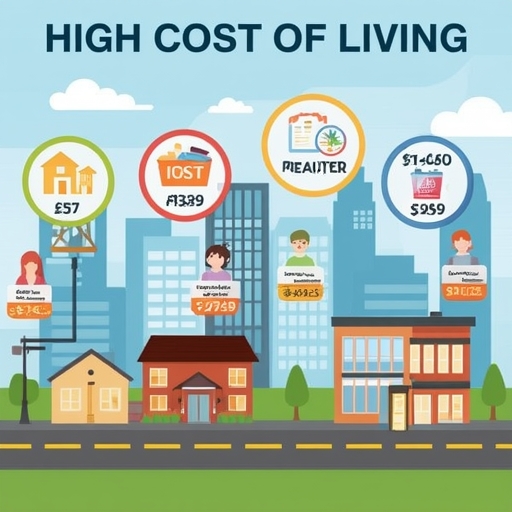
For consumers, the impact manifests through everyday sticker shock: apples, lettuce, and tomatoes that cost noticeably more than they did just months ago. In nations already grappling with inflation or economic uncertainty, this added financial strain deepens existing challenges and further reduces purchasing power. Households must re‑evaluate their spending habits, prioritizing essentials and substituting imported goods for local alternatives where possible.
Businesses, too, face profound consequences. Restaurants, food suppliers, and manufacturing sectors that rely on fresh ingredients find themselves recalculating budgets and reconsidering menu pricing. Meanwhile, governments and financial policymakers monitor these developments closely, mindful that prolonged increases in transportation and energy costs could trigger broader inflationary pressure across diverse sectors. In this context, strategies focused on logistical efficiency, sustainable sourcing, and diversification of supply chains have become invaluable tools for mitigating economic vulnerability.
Ultimately, the war in Iran exemplifies how regional crises can ignite a chain reaction of global repercussions. A disruption thousands of miles away influences the cost of delivering a single basket of vegetables to a neighborhood store. This interconnection underscores the fragile equilibrium of our modern economy—where political unrest, energy dependency, and consumer wellbeing are inextricably linked. Understanding this dynamic allows individuals, businesses, and policymakers alike to approach future challenges with greater awareness, resilience, and strategic foresight.
Sourse: https://www.businessinsider.com/the-iran-war-is-driving-up-produce-prices-2026-4