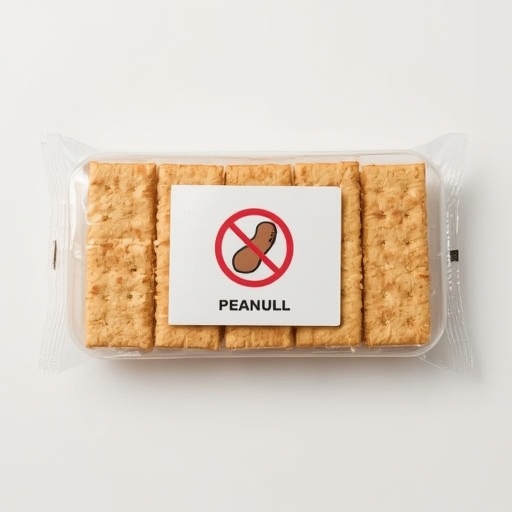
For many Americans, Ritz cracker sandwiches have long occupied a cherished place among favorite snack options—an enduring classic enjoyed across households and generations. Their crisp, buttery flavor has made them a staple in pantries nationwide. Yet despite their popularity, a new safety concern has prompted both consumers and regulatory authorities to pay closer attention. Individuals or families dealing with peanut allergies are being strongly urged to examine their snack supplies. The manufacturer of Ritz products, in conjunction with the U.S. Food and Drug Administration (FDA), has announced an official recall of certain batches after discovering that some packages labeled as the cheese variety of Ritz Cracker Sandwiches were mistakenly filled with the peanut butter version.
The recall was initiated by Mondelēz Global, the multinational company responsible for producing well-known brands such as Ritz, Oreo, and Clif Bar. In a detailed public statement, the corporation advised consumers residing in eight specific states—Alabama, Arkansas, Georgia, Missouri, New York, New Jersey, Oklahoma, and Pennsylvania—to exercise vigilance and inspect any individually wrapped packages marked as the “Ritz Cheese Cracker Sandwiches” variety. The company emphasized the potential seriousness of the issue, cautioning that anyone with a peanut allergy or extreme sensitivity could face severe, potentially life-threatening reactions if they unwittingly consume the mislabeled products. This warning was prominently featured in a formal online statement intended to reach a broad audience and prevent accidental exposure.
According to corporate disclosures, the affected products are contained within 27.6-ounce multipacks, each holding twenty individual sandwiches, distributed to multiple retail outlets across the eight mentioned states. The packaging can be identified by the retail UPC code 44000 075842 and by the stamped “best when used by” dates of January 8, 2026, and January 15, 2026. Mondelēz explained that while the exterior carton of these multipacks correctly displays the peanut butter variety, the interior wrapping on the individual sandwiches is mislabeled as cheese flavor. This labeling discrepancy presents a particularly insidious danger: even if consumers with severe allergies avoid purchasing peanut butter versions outright, they might still come across these mispackaged items once separated from the outer box. In such cases, they would have no visual cue to suggest that the sandwich actually contains peanuts, making an accidental allergic reaction tragically plausible.
Despite the seriousness of the potential risk, Mondelēz Global assured the public that, to date, there have been no confirmed reports of illness or injury connected to this recall. Nevertheless, the company emphasized that it was proceeding with the recall “out of an abundance of caution,” reflecting its commitment to transparency and consumer safety. Those seeking further assistance, clarification, or additional information have been encouraged to contact the company’s consumer relations hotline by calling 1-844-366-1171 during regular business hours, Monday through Friday from 9 a.m. to 6 p.m. Eastern Time.
This announcement adds to a growing list of food product recalls that have emerged throughout 2025, affecting a remarkably wide spectrum of items spanning various sectors of the U.S. grocery market. Reports of contamination and mislabeling have included frozen chicken products containing fragments of metal, incidents of listeria contamination in meal kits produced by Hello Fresh, E. coli detected in ground beef sold by Whole Foods, and listeria found in select frozen pasta dishes. Some cases have drawn significant public attention due to their unusual or alarming nature—such as a batch of shrimp that was initially described as radioactive, sparking exaggerated claims and speculative commentary, including one senator’s overstated warning that consumers might “turn into the alien from *Alien*.” These dramatic interpretations, of course, proved grossly overstated, yet they underscore the climate of heightened concern surrounding food safety in recent months.
More recently, another series of recalls has affected critical and sensitive product categories, including baby formula contaminated with botulism spores and over one million bags of shredded cheese sold through major national retailers such as Aldi, Walmart, and Target, which were pulled from shelves after traces of metal were identified. Even pet foods have not been spared, as dog food products were recently found to contain small plastic fragments, prompting yet another wave of precautionary measures.
Taken together, these incidents highlight the importance of continuous monitoring, clear labeling, and consumer awareness within the modern food distribution system. The Ritz recall, while relatively contained, serves as a vivid reminder that even trusted household brands can become subject to contamination or labeling oversights, and that vigilance remains essential to keeping our food supply safe.
Sourse: https://gizmodo.com/ritz-cracker-sandwiches-recalled-in-8-states-for-undeclared-peanut-butter-2000695892