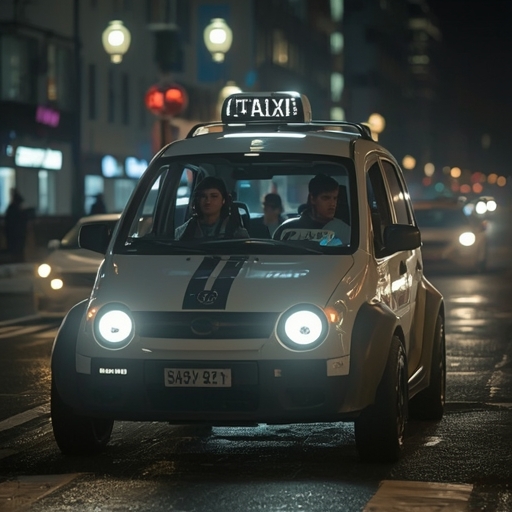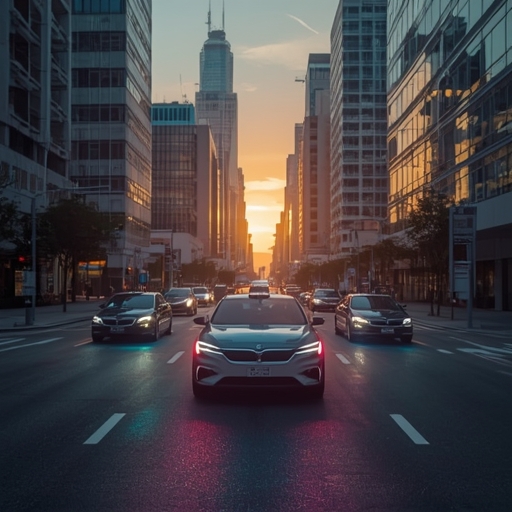
In the rapidly evolving landscape of modern transportation, robotaxis have advanced far beyond being a futuristic novelty or a viral online sensation. After captivating social media in 2025 with their sleek designs and autonomous capabilities, these driverless vehicles are now beginning to fill real city streets across the country in 2026. Their expansion represents more than a technological milestone—it marks a profound transformation in how people move through and experience urban environments.
Over the past year, pilot programs and demonstrations have transitioned into operational networks that integrate self-driving fleets into everyday life. Cities once skeptical about automation are now reimagining roads, traffic systems, and public policies to accommodate this emerging mode of mobility. From coastal metropolises like San Francisco and Miami to bustling midwestern hubs, more communities are embracing robotaxis as viable, efficient, and sustainable alternatives to traditional ridesharing or personal car ownership.
With continuous improvements in artificial intelligence, sensor precision, and vehicle-to-infrastructure communication, robotaxis have evolved into sophisticated systems capable of navigating complex urban topographies with remarkable safety and reliability. They excel not only at optimizing routes in real time but also at reducing energy consumption and lowering emissions by employing electric drivetrains and advanced fleet coordination algorithms. Passengers experience smooth, well-orchestrated journeys that highlight the synergy between innovation and convenience.
This momentum signals a broader shift in the transportation industry toward autonomy-driven ecosystems. Municipal transportation authorities, private companies, and technology developers are collaborating to define regulatory frameworks, ethical standards, and infrastructure upgrades that will support the future of driverless mobility. The ultimate goal is a connected environment where every element—from pedestrian crossings to traffic lights—works harmoniously with intelligent vehicles.
Robotaxis are thus no longer just technological marvels or media sensations; they embody a tangible step toward smarter, cleaner, and more accessible transportation systems. As 2026 unfolds, the question is not whether these autonomous vehicles will become commonplace, but which city will next welcome their arrival on its streets. For those following the evolution of mobility, the road ahead is not only autonomous—it is inspiringly limitless.
Sourse: https://www.businessinsider.com/robotaxis-viral-in-2025-where-to-ride-waymo-tesla-2026-2025-12