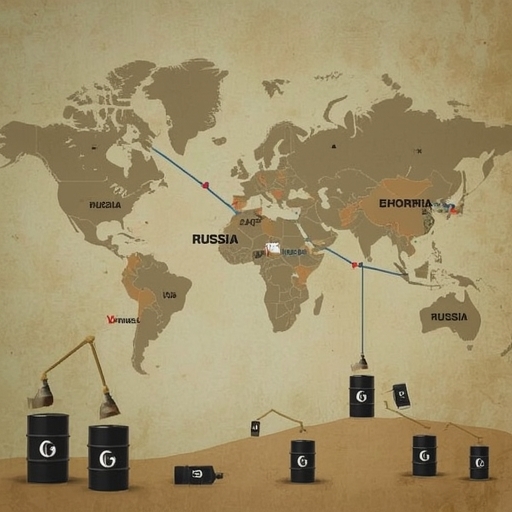
Russia currently finds itself grappling with the prospect of substantial financial setbacks in Venezuela, a situation compounded by intensifying international sanctions and persistently low oil prices. These intertwined forces threaten to inflict multi‑billion‑dollar losses on Moscow’s investments in the South American nation, particularly within the oil and defense sectors. The gradual erosion of revenue from joint petroleum ventures, once envisioned as a linchpin of Russia’s overseas energy expansion, now underscores how fragile such partnerships can become under global economic pressure.
As sanctions imposed by Western powers continue to constrict Russia’s access to both credit and technological cooperation, the capacity of Russian firms to recoup their Venezuelan commitments diminishes sharply. In tandem, the depressed valuation of crude oil diminishes returns on extraction and export projects managed through joint ventures with the Venezuelan state oil company. The combination of shrinking profit margins and mounting operational risks not only weakens Russia’s economic foothold in Latin America but also reverberates across its wider fiscal landscape, straining a national budget already burdened by the demands of military expenditure and domestic subsidies.
Analysts observing the Kremlin’s economic posture note that these Venezuelan exposures reveal a critical vulnerability in Russia’s international financial strategy. Loans extended to Caracas—often secured by future oil deliveries or arms contracts—may ultimately never be repaid in full, compelling Moscow to account for heavy losses on its balance sheets. Such fiscal write‑offs could erode both political and investor confidence in Russia’s broader geopolitical ventures. The resulting contraction in state revenue would undermine the government’s ability to maintain current levels of defense funding, social spending, and debt servicing, thereby testing the resilience of Russia’s monetary foundations in the face of external shocks.
More broadly, this financial tightening highlights a fundamental tension within Russia’s current economic model: its reliance on energy exports as the principal source of hard‑currency income. When global oil prices falter and political isolation limits trade options, the cascading effects quickly expose structural weaknesses that cannot easily be offset through domestic policy interventions. In this light, the deteriorating Venezuelan ventures stand not as isolated setbacks but as emblematic of a larger pattern in which geopolitical ambition collides with economic reality.
Ultimately, the looming Venezuelan losses will compel Moscow to balance diplomatic perseverance with pragmatic fiscal restraint. Whether through restructuring its overseas debt holdings, renegotiating terms with partners in Caracas, or diversifying energy investments elsewhere, Russia faces difficult choices aimed at safeguarding its long‑term stability. The immediate challenge, however, remains clear: to navigate a confluence of sanctions, market volatility, and diminishing returns without sacrificing strategic leverage or economic solvency.
Sourse: https://www.businessinsider.com/russia-economy-venezuela-oil-assets-arms-loans-write-offs-maduro-2026-1