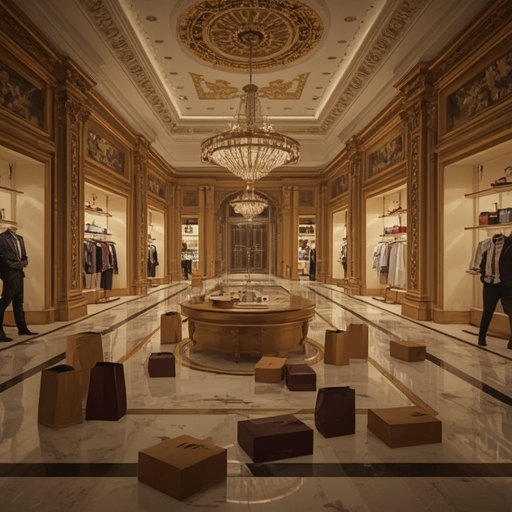
Saks Global’s recent Chapter 11 bankruptcy filing has illuminated the depth of its financial turmoil, revealing staggering debts owed to a wide range of prestigious luxury brands. This revelation marks a defining moment for the global fashion and retail sectors, exposing how even the most established names in high-end commerce are not immune to economic volatility and shifting consumer behaviors. According to the detailed filings, Saks Global owes hundreds of millions of dollars to top-tier fashion houses and luxury conglomerates—debts that have accumulated over years of operating within a complex ecosystem of wholesale partnerships, vendor agreements, and consignment arrangements. The magnitude of this financial exposure has sent ripples across the luxury goods industry, prompting concern about how such liabilities could affect supply chains, brand trust, and long-standing retail relationships.
This development underscores a broader structural transformation within the luxury retail sector. Once synonymous with opulence, exclusivity, and consistent profitability, many traditional department stores are now grappling with shrinking margins, changing consumer expectations, and the relentless expansion of digital commerce. While e-commerce and direct-to-consumer strategies have enabled luxury brands to maintain control over pricing and brand image, retailers like Saks Global often relied on heavy inventory financing and costly legacy operations. As economic pressures mounted—from global inflation to evolving post-pandemic spending patterns—these vulnerabilities became increasingly difficult to conceal.
The bankruptcy case also highlights a philosophical shift in how the fashion industry manages risk. Brands that once prioritized visibility in prestigious retail spaces must now reevaluate the value of such partnerships, considering the potential financial instability of their distributors. For consumers, the drama may unfold behind closed doors, but for the luxury ecosystem, this marks an inflection point that could redefine business models for years to come.
What lies ahead remains uncertain. Industry analysts predict that the restructuring process will not only determine Saks Global’s survival but also set precedents affecting contract terms, credit policies, and the distribution of luxury goods worldwide. As the company navigates court-supervised reorganization, stakeholders—from designers and suppliers to investors—will be watching closely to see whether Saks can restore its stature as a symbol of refinement and stability, or whether it will stand as a cautionary tale about the fragility of traditional retail in an era defined by rapid transformation and unforgiving market dynamics.
Sourse: https://www.businessinsider.com/saks-bankruptcy-money-woed-brands-vendors-chanel-burberry-gucci-2026-1