Sam Altman, the chief executive officer of OpenAI and one of Silicon Valley’s most closely followed innovators, recently delivered what many have described as a deft and remarkably polite form of shade directed toward Tesla. On Thursday, Altman took to X — the platform formerly known as Twitter — where he shared a carefully worded, yet unmistakably pointed post titled “A Tale in Three Acts.” The message, while outwardly restrained, carried a tone of subtle irony that highlighted a long-standing frustration.
In his post, Altman included a screenshot of an email from July 2018 confirming a substantial $45,000 deposit he had made to reserve a second-generation Tesla Roadster, a high-performance electric sports car that Tesla had unveiled amid enormous fanfare. Alongside this, he attached a new set of screenshots showing an email he sent earlier that Thursday, nearly seven and a half years after his initial payment. In that message, Altman politely requested the cancellation of his Roadster order and a full refund — a slightly increased amount of $50,000 — only to discover that the email bounced back undelivered. The implication of that returned message served as the punchline to his tale: a lighthearted jab that revealed his bemusement over the extraordinary wait.
Altman followed up publicly on X, explaining that he had once been genuinely enthusiastic about receiving the car. He acknowledged that he fully understood production setbacks and delays as part of the innovation process. However, he added with diplomatic understatement that waiting seven and a half years for a product still not in existence tested anyone’s patience. His tone remained courteous, but the timing and framing of the post left little doubt that it was both a critique of Tesla’s protracted timelines and a reflection on the sometimes-unrealized promises of tech-driven ambition. Both Altman and Tesla representatives declined to comment when Business Insider reached out.
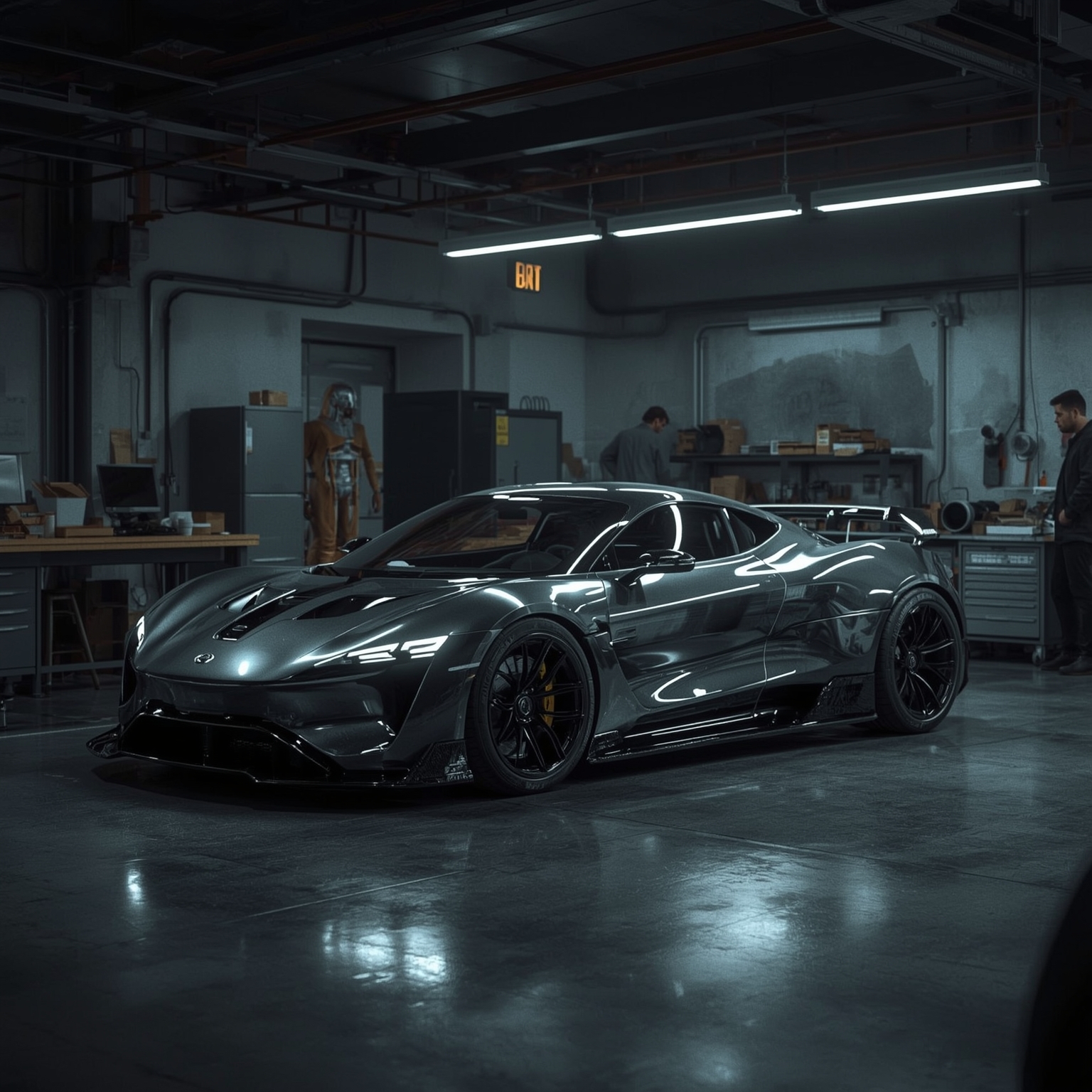
The Roadster, when first unveiled in 2017, had been heralded by Tesla and its CEO, Elon Musk, as a revolutionary milestone in automotive engineering. Musk declared that this next-generation model would be “the fastest production car ever built,” emphasizing its planned ability to accelerate from zero to sixty miles per hour in under two seconds — a feat never before achieved by a production vehicle. He also boasted that the car would reach 100 mph in roughly 4.2 seconds, underscoring Tesla’s intent to redefine what an all-electric sports car could achieve. Such statements generated immense anticipation among enthusiasts, investors, and future buyers like Altman.
Originally, production was slated to begin in 2020. Yet as the years unfolded, those ambitious plans endured repeated postponements. By October 2024, during a Tesla earnings call, Musk assured investors that the design work on the Roadster was nearly final, but he placed its release behind the company’s more pressing mission: advancing the transition toward a sustainable global energy economy. “We are still working on it,” Musk said, “but we must focus first on projects that have a more immediate and significant impact on the world.” He then offered a message of patience and gratitude to what he called Tesla’s “long-suffering Roadster deposit holders.” As of now, neither Musk nor Tesla has issued any response to Altman’s renewed public inquiry or refund request.
This public gesture also comes at a moment when tensions between the two tech luminaries are already running high. Altman’s subtle criticism resurfaces against the backdrop of a broader personal and legal dispute between him and Musk — a conflict rooted in their shared past as cofounders of OpenAI, the artificial intelligence research company established in 2015. Musk, at the time a major supporter and financial backer, departed the organization’s board in 2018, citing potential conflicts of interest and differing visions for its direction. Since that split, he has become an outspoken critic of Altman’s stewardship, frequently accusing OpenAI of straying from its nonprofit ideals and aligning too closely with corporate partners.
The feud intensified earlier in 2024 when Musk filed a high-profile lawsuit against Altman and OpenAI, alleging that the company’s partnership with Microsoft contradicted its founding mission of serving humanity above profit. Although Musk briefly withdrew the case in June, he reinstated it two months later, demonstrating a persistent determination to challenge OpenAI’s evolving corporate structure. By November, his legal team had gone further, filing for an injunction intended to block OpenAI’s restructuring into a for-profit entity. A spokesperson for OpenAI dismissed the claim as “utterly without merit.”
In a September interview with former Fox News anchor Tucker Carlson, Altman reflected candidly on his personal evolution in how he viewed Musk. He described that, for many years, he had held Musk in extremely high esteem — considering him both a visionary and a monumental figure for humanity — but admitted that his admiration had become more measured. Altman stated that while he remained grateful for Musk’s groundbreaking achievements and influence, he could no longer overlook certain traits he found less admirable. This comment offered a rare glimpse into the personal dimension of their increasingly public rivalry.
Meanwhile, OpenAI recently completed a major organizational restructuring, announcing the establishment of the OpenAI Foundation, which will oversee the new public benefit corporation known as OpenAI Group PBC. This reorganization effectively consolidates the company’s operations while maintaining its stated mission of advancing artificial intelligence responsibly. According to Reuters, the company is also reportedly exploring a potential public offering that could value it at an astonishing one trillion dollars — a figure that underscores both its dominance in the AI sector and the monumental expectations surrounding its future.
In sum, Altman’s seemingly benign post serves as both a humorous commentary on an overdue car and a symbolic moment in the ongoing narrative of two of the most influential figures in technology. What might appear on the surface as playful trolling doubles as a subtle reminder of the broader tensions between innovation, accountability, and the human impatience that inevitably accompanies progress.
Sourse: https://www.businessinsider.com/sam-altman-throw-shade-tesla-roadster-elon-musk-feud-2025-10


