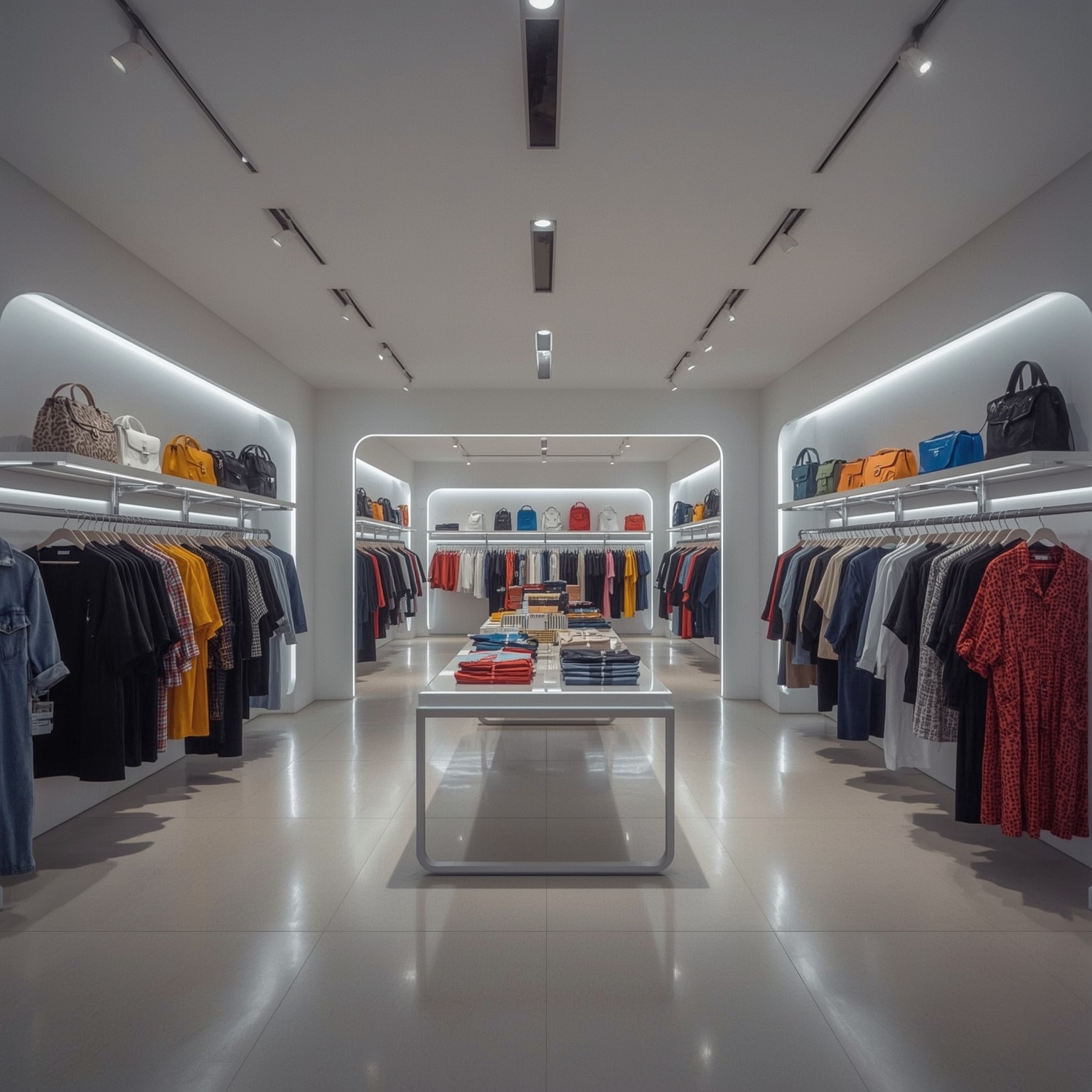
Shein, the global fast-fashion powerhouse best known for its exclusively online retail model, has revealed plans to establish its first permanent physical outlets in France this coming November. This announcement is particularly significant, as it coincides with an intensifying legislative effort within the country to more stringently regulate the fast-fashion sector — an industry under mounting criticism for its environmental footprint and social implications. The information was initially reported by Euronews and Reuters, highlighting the contrast between Shein’s ambitious expansion and the growing political resolve in France to curb problematic practices within this market.
Historically, Shein has operated almost entirely within the digital realm, leveraging its e-commerce platform and sporadically experimenting with temporary pop-up stores in major international cities such as New York. Its products, manufactured predominantly in China at extremely low costs, have propelled the brand into the forefront of global fast fashion, thanks to its speed, affordability, and ability to translate the latest trends into mass-produced garments within remarkably short timeframes. However, beginning this year, consumers in France will no longer be limited to browsing Shein’s vast online catalog. Through a formal partnership with Société des Grands Magasins (SGM), a French real estate company that manages an array of department store properties, Shein will now begin opening dedicated retail spaces integrated into established department stores located in Dijon, Grenoble, Reims, Limoges, and Angers.
Yet, the timing of this launch is fraught with complexity. Earlier this year, the French Senate passed a law targeting large-scale fast-fashion retailers, proposing, among other measures, an additional tax calculated in relation to a company’s environmental impact. The legislation also includes provisions to restrict such companies from advertising their products in France, thereby directly targeting business models like those of Shein and Temu, where rapid production cycles and aggressive marketing are central strategies. Furthermore, on the broader European scale, Shein has been designated a “very large online platform” under the European Union’s regulatory framework intended to monitor and constrain the influence of major digital enterprises. This designation brings heightened obligations for accountability, transparency, and user protection. In a parallel development, Shein has also been subjected to significant financial penalties: most notably, a fine of approximately $176 million in France, stemming from allegations that the retailer unlawfully gathered personal user data without explicit consent.
The introduction of Shein into France’s brick-and-mortar retail environment through SGM has already sparked resistance from several of the company’s new landlords and local authorities. SGM, besides managing independent retail venues, owns the renowned Bazar de l’Hôtel de Ville (BHV) department store chain in Paris and additionally operates a number of Galeries Lafayette locations under franchise agreements. Shein intends to establish a presence within both of these retail networks. However, Galeries Lafayette, speaking to Reuters, expressed vehement opposition to this decision, asserting that Shein’s brand philosophy, commercial positioning, and operational practices starkly contradict the heritage department store’s values, mission, and carefully curated product offerings. According to Galeries Lafayette, the integration of Shein into stores under its name constitutes a breach of its contractual franchise agreement with SGM.
French civic leaders have also reacted strongly. Anne Hidalgo, the Mayor of Paris, published a statement, translated from French and shared through LinkedIn, in which she condemned Shein’s imminent arrival in her city. She stressed that welcoming the company within the storied BHV store was diametrically opposed to the long-term ecological and social objectives that Paris seeks to promote. These objectives, she explained, emphasize support for sustainable retail models, local commerce, and environmentally responsible economic development — principles that stand in contradiction to the business ethos of fast-fashion giants whose operations are criticized for being resource-intensive and environmentally damaging.
Taken together, Shein’s strategy to open permanent French outlets represents not merely a business maneuver to diversify its distribution channels but also a bold, perhaps provocative, statement of intent. It underscores the company’s determination to cement its presence within one of Europe’s most fashion-conscious markets, despite navigating an increasingly hostile regulatory environment and mounting criticism from the political, environmental, and retail establishment. The unfolding situation in France is therefore not only a test case for Shein’s ability to succeed beyond the digital marketplace but also a reflection of the broader clash between the pursuit of rapid, low-cost consumer fashion and a societal push toward sustainability, accountability, and ethical commerce.
Sourse: https://www.theverge.com/news/791000/shein-france-physical-store-chinese-ecommerce-fast-fashion