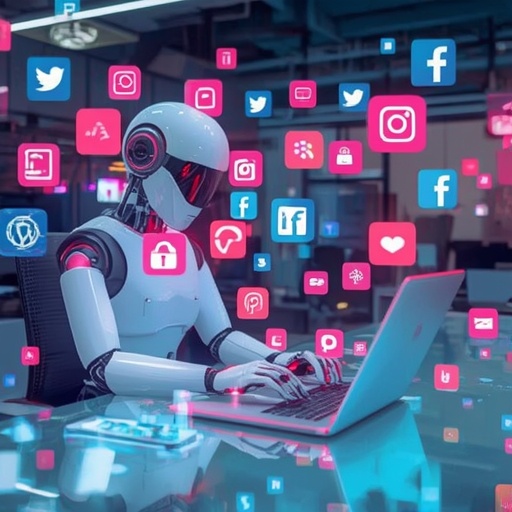
Recent analyses reveal a fascinating yet concerning trend — approximately forty‑one percent of long‑form content published on LinkedIn is now crafted with the assistance of artificial intelligence. This statistic signals a dramatic increase in the reliance on automated writing tools, raising significant questions about the nature of professional communication in the digital era. While these technologies undeniably offer convenience by refining grammar, tone, and readability, the growing dependence on them threatens to erode a crucial element of successful engagement: authenticity.
Authenticity on a platform like LinkedIn serves as the foundation for trust, personal credibility, and meaningful professional relationships. Readers are drawn not only to polished prose but to the genuine perspective, lived experiences, and emotional nuance that can emerge only from a human voice. When artificial intelligence becomes the principal author of your narrative, it risks reducing that individuality to algorithmic uniformity. The resulting text may sound impeccable yet feel impersonal—like a conversation stripped of character.
AI can certainly serve as a skilled assistant, helping professionals streamline their ideas or enhance clarity. For instance, an entrepreneur might use an AI tool to edit their announcement post or summarize a case study. However, when such systems are allowed to generate the entire post without human reflection, the message loses warmth and credibility. Followers, colleagues, and potential clients intuitively recognize when communication lacks authentic intent. The difference between genuine insight and mechanically composed content is subtle but perceptible; the former sparks engagement, while the latter tends to fade quickly amid the noise of uniformity.
In a digital landscape saturated with automated material, the most powerful competitive advantage lies in maintaining a distinct human voice. Sharing personal lessons, describing challenges with honesty, or even expressing uncertainty demonstrates vulnerability—the very quality that artificial systems cannot replicate. As artificial intelligence becomes more sophisticated, this contrast between mechanical precision and emotional sincerity will grow increasingly stark.
Thus, before entrusting your professional identity to an algorithm, pause to consider the long‑term implications. Let AI support your creative process as a collaborator, not a replacement. Use it to refine rather than to define your words. The essence of impactful communication on LinkedIn, or any social platform, will always depend on authenticity—the irreplaceable quality that reminds readers there is a real person behind every message. #AIWriting #AuthenticCommunication #LinkedInStrategy
Sourse: https://www.businessinsider.com/ai-writing-linkedin-posts-downsides-steven-bartlett-2026-7