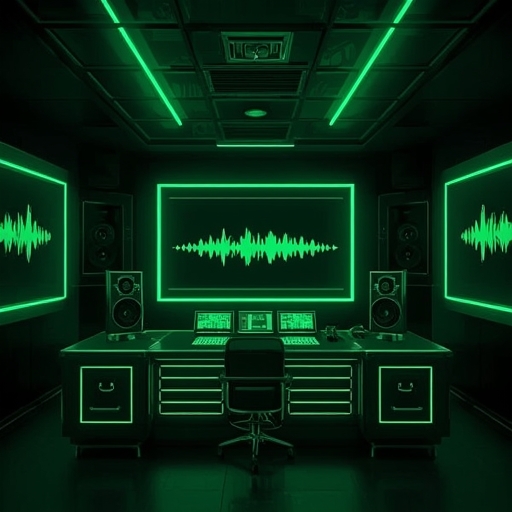
Spotify has taken a decisive step to reaffirm its commitment to genuine musicianship in an era increasingly shaped by artificial intelligence. The company has unveiled a verification program specifically designed for non-AI artists, establishing a system that grants official recognition to creators who rely solely on their human talent and ingenuity. This initiative is not merely an administrative update—it reflects a broader cultural statement about authenticity, creative integrity, and the evolving relationship between technology and artistry.
Over the past few years, AI-generated compositions have flooded digital streaming platforms, challenging listeners’ and industry professionals’ ability to discern between human and machine-made sounds. While artificial intelligence can skillfully replicate tonal nuances, melodic progressions, and even emotional resonance, its products often lack the distinct personal expression that defines true artistry. Spotify’s new verification framework confronts this issue directly, creating a visible marker of trust that allows audiences to identify music crafted by real individuals who invest emotion, time, and originality into their work.
This move also signals a strategic response to the changing dynamics of the music industry. As generative algorithms become more accessible, the digital ecosystem faces a paradox: technological innovation expands creative possibilities but simultaneously threatens to dilute the very notion of artistic authenticity. Spotify’s verification badge functions as both a safeguard and a celebration—it honors those who continue to create through human intuition and lived experience while reminding audiences of the value of originality amid automation.
For musicians, this development presents an opportunity to differentiate themselves in a saturated market. Verified artists will enjoy an additional sense of credibility and may attract listeners who deliberately seek authentic soundscapes in a flood of synthetic imitations. For the platform itself, the introduction of such verification mechanisms reinforces its role not only as a streaming service but also as a curator of cultural integrity and ethical technological adoption.
In essence, Spotify’s effort to verify non-AI creators transcends branding—it initiates a dialogue about how we define creativity in a world where algorithms compose symphonies and generate vocals that mimic human imperfection. The company’s stance underlines the importance of transparency and human presence in music creation, ensuring that listeners can continue to connect deeply with art that originates from genuine emotion rather than artificial computation. By doing so, Spotify positions itself at the forefront of a new era where technology and creativity coexist, but human ingenuity remains at the core of meaningful expression.
Sourse: https://gizmodo.com/spotify-will-now-verify-non-ai-artists-2000752862


