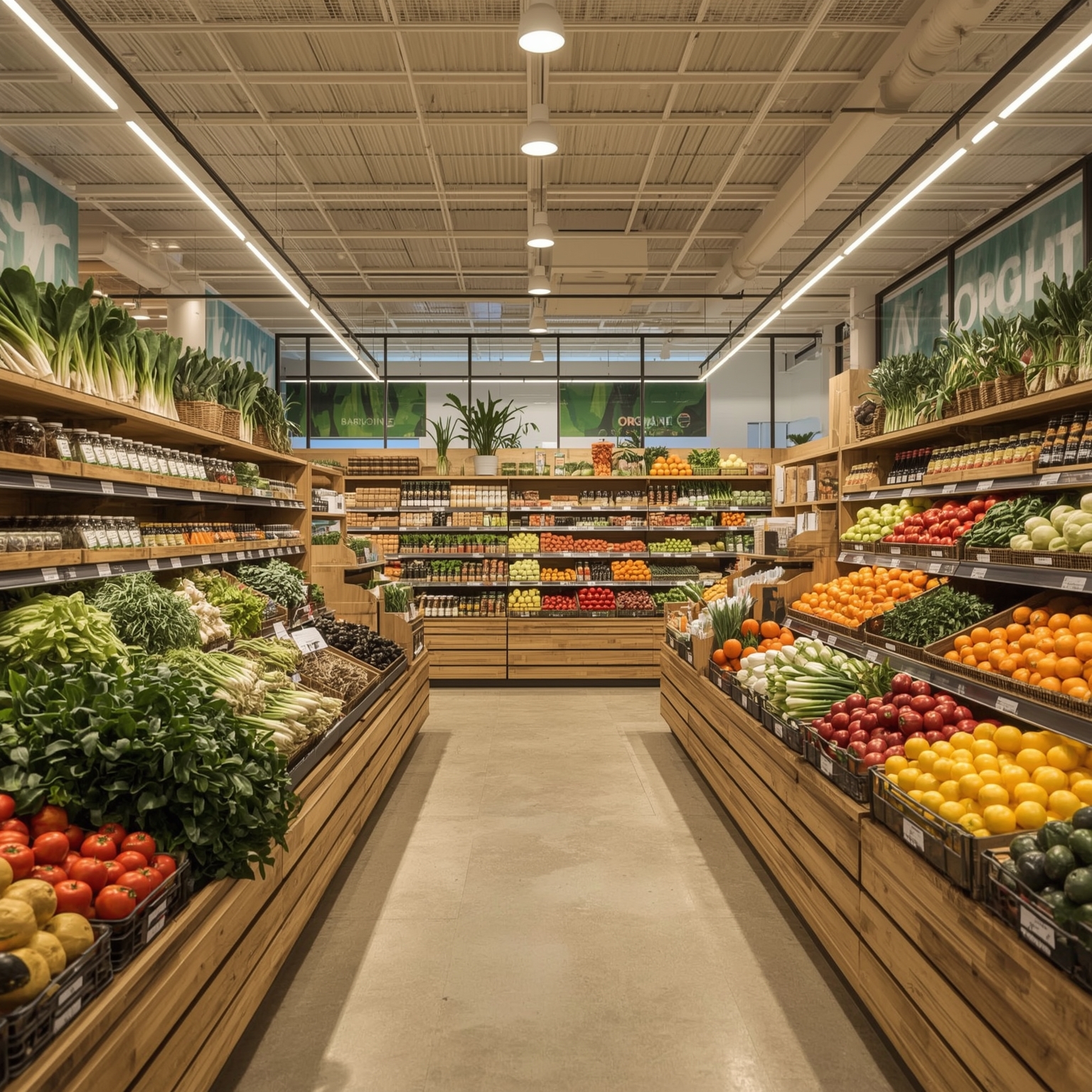
Sprouts Farmers Market, the Phoenix-headquartered grocer long associated with natural and organic produce, is preparing for one of the most ambitious expansion phases in its history. By the end of 2025, the company aims to open dozens of new stores—thirty-seven, to be precise—marking a significant step toward establishing itself as a national competitor in the increasingly crowded health-conscious grocery space. While well-known players such as Whole Foods Market, now owned by Amazon, have long dominated this sector, Sprouts is crafting its own identity through smaller-format stores, accessible pricing, and a less corporate, more community-driven aesthetic modeled on local farmers markets.
Although numerous health-focused retailers populate the modern grocery landscape—from the digital-first Thrive Market to neighborhood co-ops dedicated to sustainable produce—Sprouts distinguishes itself through the rapid pace of its physical growth and its calculated push into new geographical territories. As CEO Jack Sinclair emphasized during the company’s third-quarter earnings call, the primary focus for future development lies in the Midwest and the Northeast, two regions where the brand has historically had little to no presence. Sprouts, whose current network features roughly 464 stores compared to the slightly larger footprint of over 500 Whole Foods locations, envisions a future where it can stand shoulder to shoulder with the Austin-based chain as a direct rival on a national stage.
At present, Sprouts’ strongest markets reside in the Western and Southern United States, but the company intends to expand its footprint considerably in the coming year or two. Sinclair’s remarks underscored a strong sense of momentum: he expressed a firm belief that Sprouts will reach many new states within this relatively short time frame. Analysts have noted that while comparable sales growth slowed during the previous quarter, particularly as inflation-sensitive shoppers tightened their budgets, the company’s ability to attract consumers through value-driven initiatives—such as expanding its private-label offerings—remains a strategic advantage. UBS analysts specifically highlighted these in-house product lines as key tools to maintain customer interest even during economic uncertainty.
To understand how these corporate ambitions translate into the customer experience, I visited one of the chain’s newer stores in Burtonsville, Maryland, a suburban area near Washington, D.C. This particular location, which opened in early 2024, represents Sprouts’ continued movement into the northeastern corridor. From the exterior alone, the store radiated a seasonal charm: in October, the entrance was adorned with cheerful displays of pumpkins, dried corn, and other fall harvest goods—an inviting, rustic prelude to the wholesome emphasis that defines the brand. Minuscule pumpkins priced at just twenty-five cents each served as charming, affordable decorations that further anchored the farm-fresh image Sprouts cultivates.
Upon entering, customers are greeted by a display promoting Instacart’s Caper carts—smart shopping carts that automatically register items as shoppers add them, track spending in real time, and even locate store discounts. Though I decided to use a traditional cart, such technology indicates Sprouts’ willingness to blend innovation with its down-to-earth market feel. Inside, I immediately noticed that this location adhered to the chain’s more intimate store model: at approximately 23,000 square feet, it is noticeably smaller than the 30,000-square-foot average of older Sprouts stores and significantly cozier than the 40,000-square-foot format of conventional American supermarkets. In alignment with current retail trends, several major competitors, including Whole Foods and Aldi, are adopting similar smaller layouts designed for convenience and efficiency.
Perhaps most strikingly, the store’s interior layout subverted the typical supermarket blueprint. Instead of leading customers first through vivid displays of produce, Sprouts positioned its meat and seafood counters near the entrance—a subtle decision that spotlights its commitment to high-quality, sustainable proteins. I observed an impressive variety: ahi tuna, swordfish, rockfish, salmon, and other seafood options were attractively displayed, frequently featuring signage emphasizing antibiotic-free, responsibly sourced selections. The swordfish fillets, priced at $10.99 per pound, were a few dollars cheaper than comparable cuts I had seen at Costco or Whole Foods. After purchasing and preparing the swordfish at home, I found it flavorful, though slightly drier than a similar piece from Costco.
Continuing through the aisles, I encountered a well-stocked bulk foods section, a hallmark of health-oriented grocers. Bins filled with granola, rice, nuts, and a variety of dry goods lined an entire aisle directly in front of the entrance, encouraging sustainability through reduced packaging. I sampled a packet of adaptogenic latte mix from surfer Laird Hamilton’s wellness brand and found it pleasantly balanced when prepared later at home. Toward the rear of the store, the produce section was abundant with colorful displays of fruits and vegetables. Large hanging signs reinforced the brand’s core identity with messages like “Farm Fresh” and “Locally Grown,” accompanied by details about suppliers and the regenerative farming methods used for select items such as squash. These cues strongly communicated Sprouts’ environmental ethos and resonated with the modern consumer’s preference for transparency and sustainability.
The dairy section continued this focus on plant-forward innovation, offering a wide spectrum of nut- and oat-based milks. Nearby, a dedicated display of new products showcased Sprouts’ embrace of current wellness trends—protein-rich drinks labeled “Clear Protein” were prominently featured at $4.99 per can. This nod to the national protein craze reflects Sprouts’ agility in adapting to shifting consumer priorities and aligns with similar moves by coffee giants such as Starbucks, whose recent expansions into protein-based beverages have garnered attention.
Private-label products, including an array of snacks like freeze-dried mangosteens priced at $5.79, were also widely available, underscoring how Sprouts fosters brand loyalty through unique offerings not easily found elsewhere. Compared with Whole Foods, Sprouts delivered a somewhat more informal, community-oriented atmosphere—less sleek and upscale but more earnest in its devotion to organic quality and small, upstart brands. Its shelves featured companies that emphasize waste reduction and ethical sourcing, such as purveyors of dried fruit made from cosmetically imperfect produce. The overall impression was that of a leaner, slightly more grounded version of Whole Foods, aimed at shoppers seeking value without sacrificing health or sustainability.
In terms of pricing, my brief comparison of several staple items revealed competitive, if not consistently lower, costs when measured against industry peers. Celery at $2.19 per bunch and swordfish at $10.99 per pound closely matched or undercut prices at Whole Foods, Costco, and other mainstream outlets. Moreover, Sprouts’ free rewards program adds an additional incentive for repeat customers by offering digital savings and personalized promotions. During my midmorning visit on a Wednesday, checkout was effortless thanks to self-service kiosks that streamlined the final stage of the shopping trip.
Reflecting on the broader implications of this visit, it’s clear that Sprouts Farmers Market occupies a compelling niche in the evolving grocery landscape. The brand’s strategy—bolstered by smaller stores, localized sourcing, and a clear focus on natural health—positions it as a true challenger to Whole Foods, particularly as it ventures into regions where its rival already maintains entrenched customer bases. While the variety at Sprouts may currently be more limited than that offered by its larger competitors, its combination of affordability, sustainability, and authenticity makes it a formidable contender in the coming years as it continues to ‘sprout’ across America.
Sourse: https://www.businessinsider.com/sprouts-farmers-market-visit-fast-growing-price-competitive-grocery-chain-2025-10


