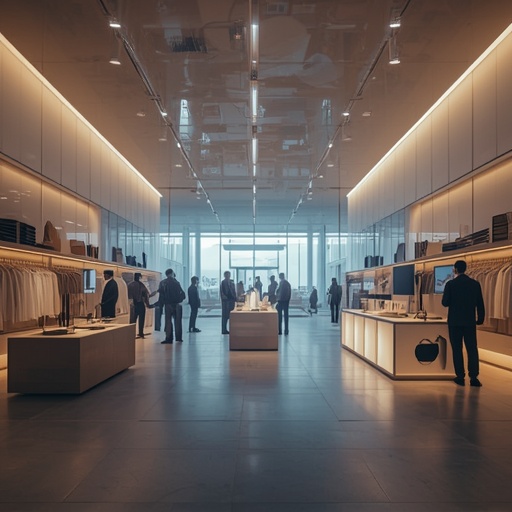
Germany stands before a momentous decision that intertwines economy, culture, and long-standing social values. For decades, the prohibition of Sunday shopping has served as a near-sacred element of national life, reflecting the country’s appreciation for rest, family time, and collective stillness. However, as the delicate balance of the German economy comes under strain from slowing growth and shifting consumer behavior, voices from both business communities and the public are calling for reconsideration of this entrenched custom. Economic stagnation, increasing global competition, and a steadily evolving marketplace are prompting even the most tradition-minded citizens to question whether maintaining closed shops on the seventh day continues to serve the public good.
Proponents of reform argue that legalizing Sunday retail could inject a renewed sense of vitality into Germany’s consumer sector. They envision busy high streets, energetic shopping districts, and a newly invigorated urban atmosphere, where flexibility meets modern lifestyle demands. By granting retailers the freedom to open on Sundays, supporters believe the nation might align itself more closely with other European economies that have already embraced this model, potentially enhancing both competitiveness and consumer satisfaction. Yet for every argument championing progress and adaptation, there are equally strong voices advocating caution and preservation. Opponents warn that the true cost of such liberalization cannot merely be measured in euros or employment figures; it must also account for the erosion of social routines and the subtle weakening of a shared cultural rhythm that has long distinguished German life.
The debate is more than an economic discussion — it is a philosophical reflection on national identity. Should material productivity outweigh communal rest? Does modernization necessarily imply abandoning tradition? These are the pressing questions Germany must face as it reconsiders its approach to commerce in an increasingly globalized and digitally driven world. While some interpret Sunday shopping reform as an inevitable and beneficial adaptation to contemporary lifestyles, others fear it represents a departure from values that once unified the nation. Whether the country ultimately decides to preserve its tranquil Sundays or to usher in a new era of retail freedom, the outcome will shape not only economic policies but also the character of everyday life in Germany for generations to come.
Sourse: https://www.wsj.com/world/europe/stagnant-germany-considers-the-unthinkable-sunday-shopping-13b4651c?mod=pls_whats_news_us_business_f